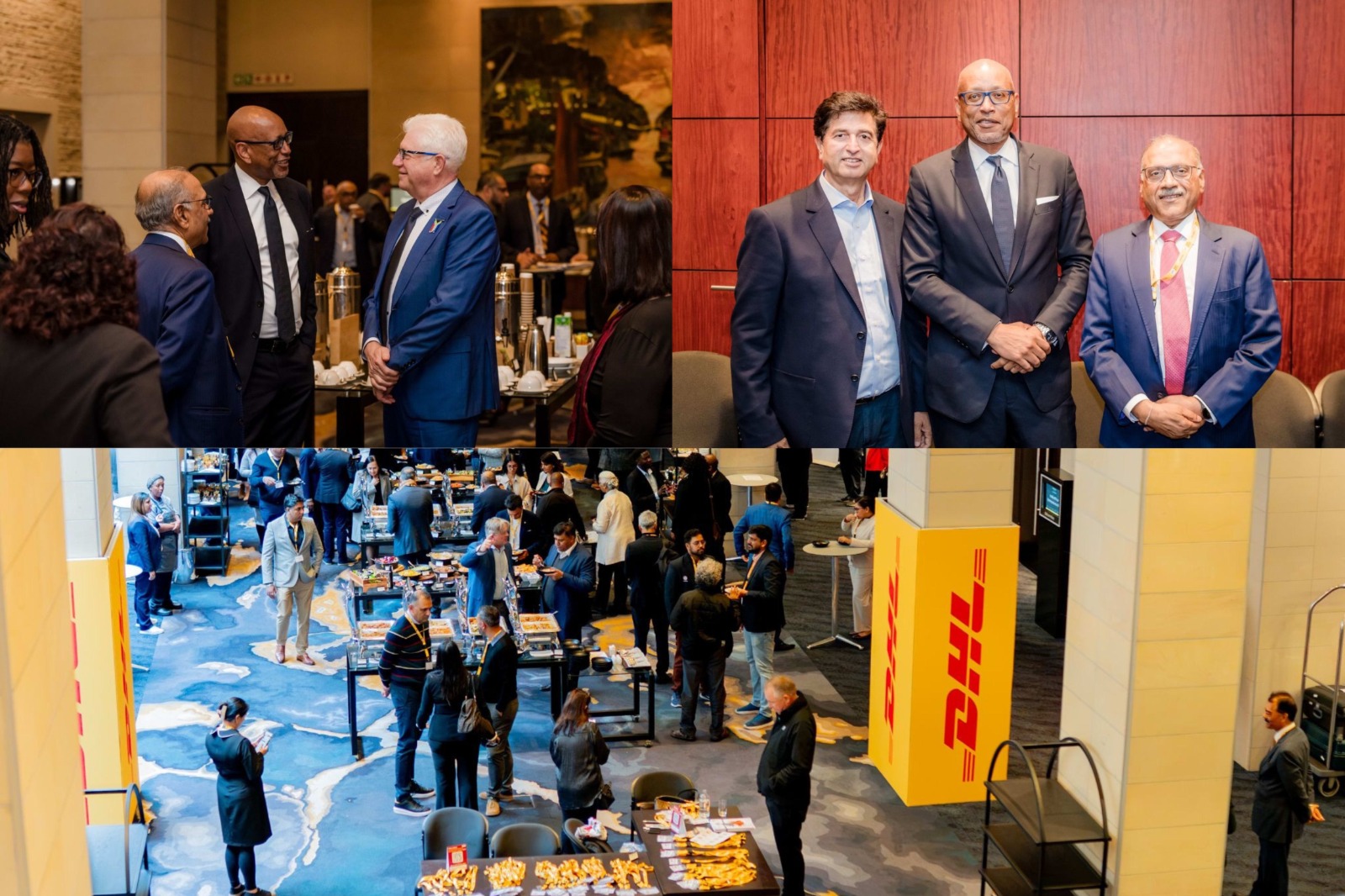
Three Days in Cape Town, South Africa: Inside the 6th India–Africa Entrepreneurship & Investment Sum
Jul 27, 2026
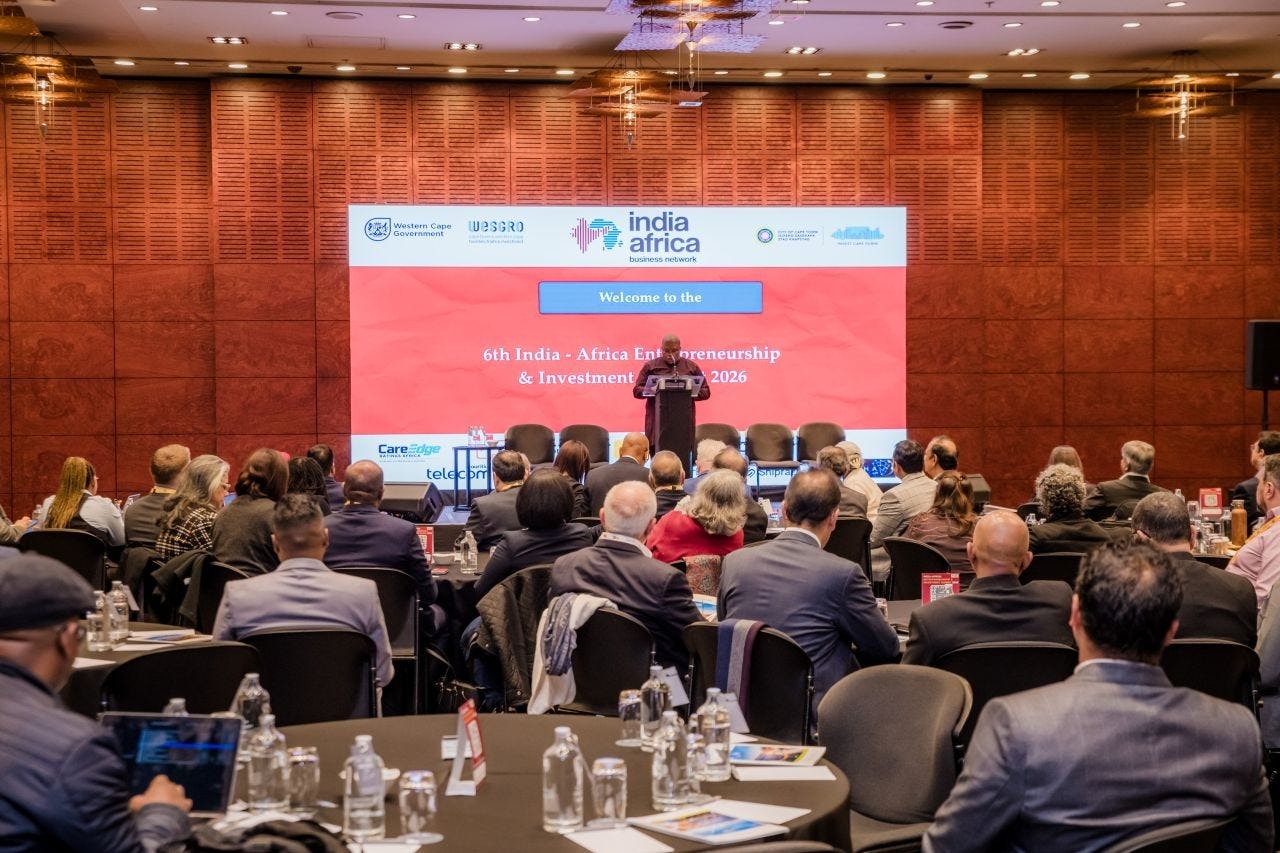
Between the 13th and 15th July, Cape Town became the meeting point for the next chapter of the India–Africa relationship.
Over three days, more than 300 entrepreneurs, investors, business leaders, policymakers and ecosystem builders came together for the 6th India–Africa Entrepreneurship & Investment Summit.
There were conversations about capital, skills, technology, trade, jobs and investment.
There were also introductions in corridors, conversations over coffee, new connections made around tables and plenty of questions about what it will take to build more meaningful partnerships between India and Africa.
For those who could not attend the Summit in person, here is a look at three days of conversations, connections and ideas.
Day 1: Building the India–Africa Human Capacity Corridor
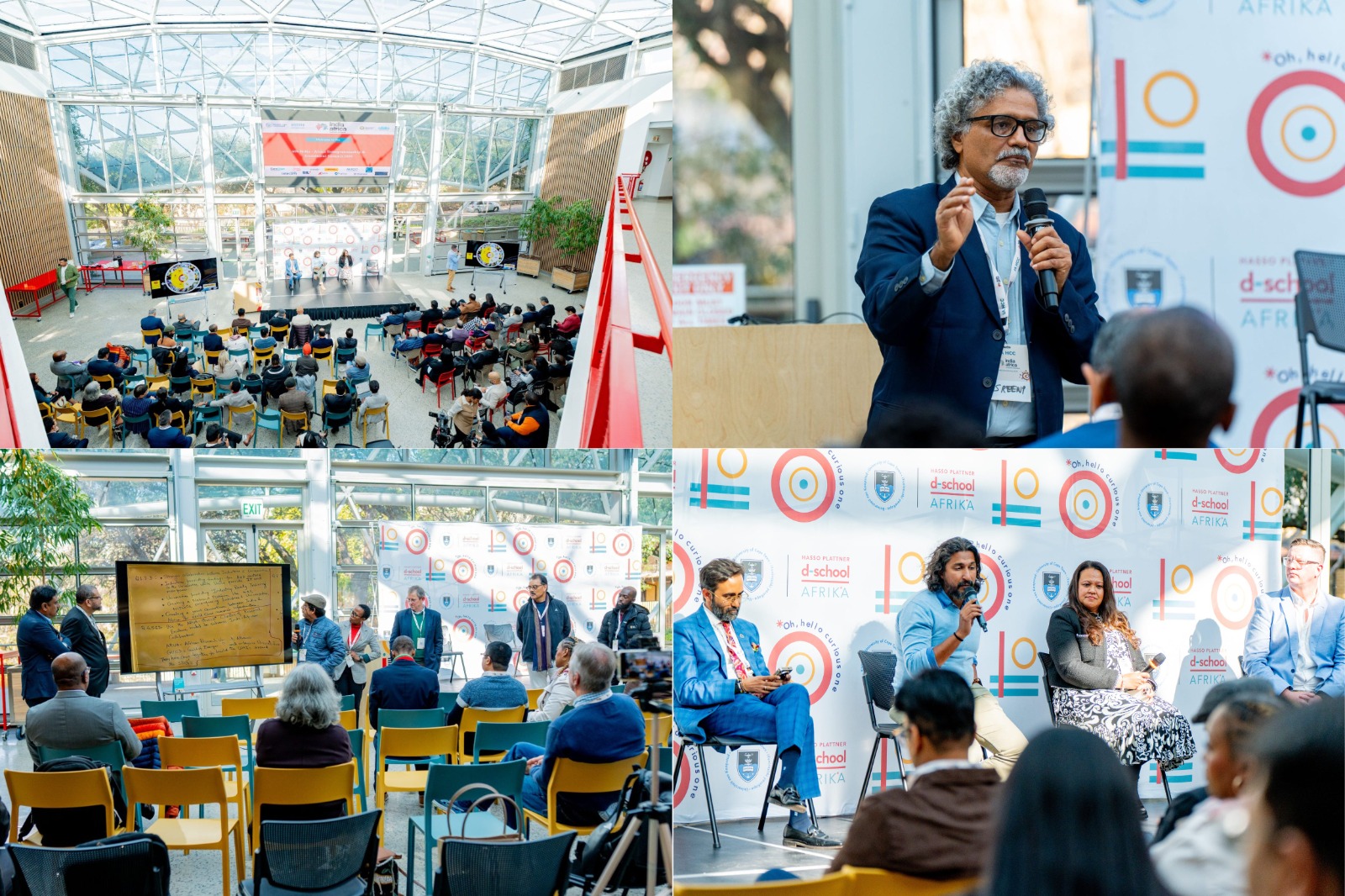
The Summit opened with a conversation about one of the most important foundations of long-term economic growth: people.
Day One focused on the idea of an India–Africa Human Capacity Corridor; a framework for connecting education and skills development more directly to employment, entrepreneurship and innovation.
The discussions moved beyond the traditional question of how many people graduate but rather focused on what happens next.
How do universities work more closely with industry? How can students gain practical experience before entering the workforce? How do we make research commercially relevant? And how can India and Africa work together to build talent for the future?
The conversations brought together perspectives from education, business, government and innovation ecosystems.
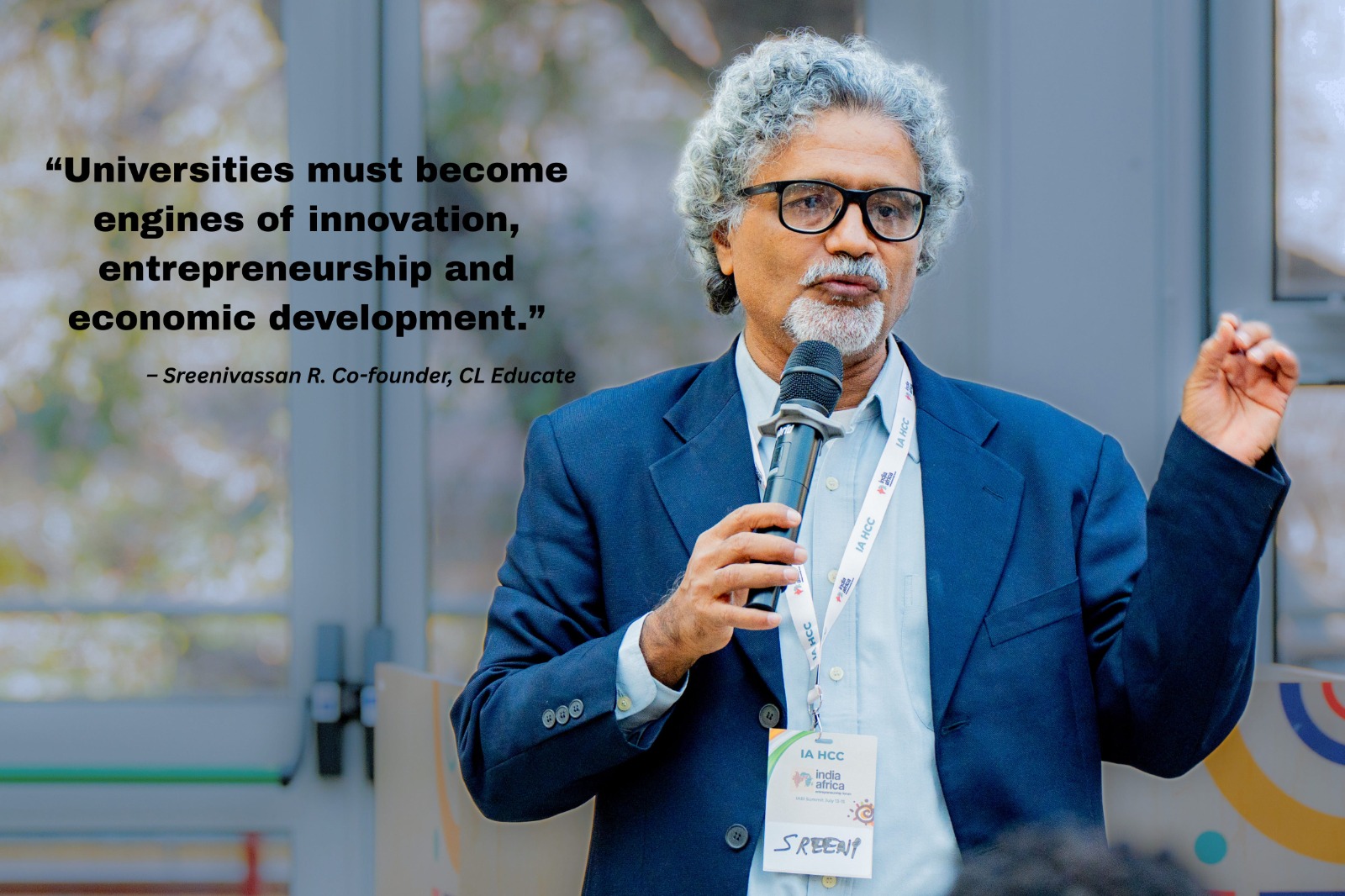
Sreeni R, Co-Founder CL Educate and co-convener of the India-Africa Human Capacity Corridror, highlighted that, the challenge is not simply to produce more graduates, but to build stronger pathways between education and opportunity.
The conversation also explored the role of artificial intelligence, research commercialisation, transnational education, alongside the Quad Helix model of collaboration between universities, industry, government and communities.
The underlying message was clear: the future of the India–Africa relationship will depend heavily on the ability to develop, connect and retain talent.
During the session, we also had the launch of three books: Define Your Orbit by Manish Pancal, The Maverick Effect: The Inside Story of India’s IT Revolution by Harish Mehta, and The Groundbreaker: Entrepreneurship, the American Dream, and the Rise of Modern India by Kanwal Rekhi.
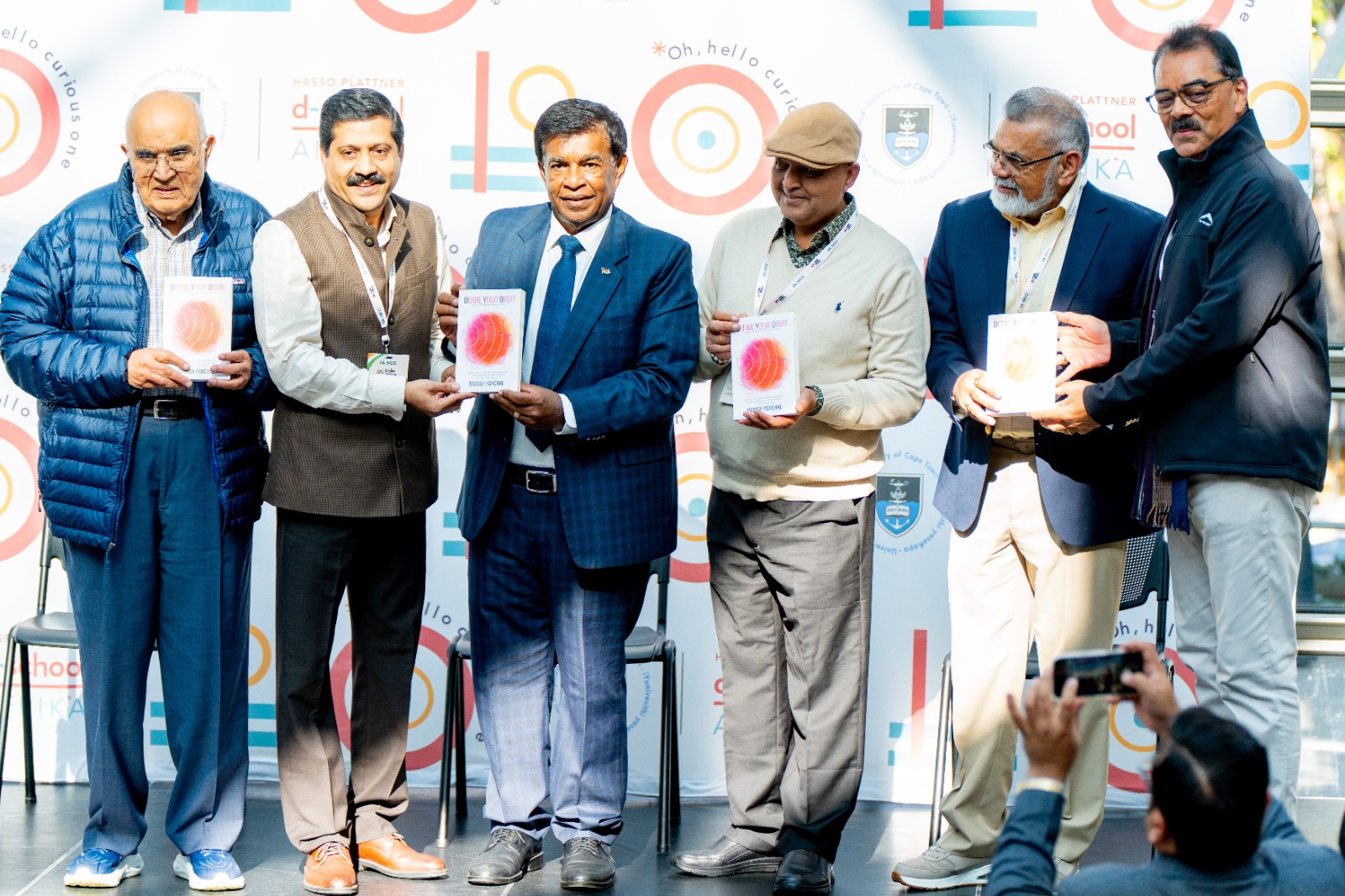
From left: Kanwal Rheki, Manish Panchal, H.E. Prithvirajsing Roopun, Dr Manish Shah, AJ Patel, Vimal Shah
The discussions on day 1 raised a question that continued throughout the summit: How do we turn potential into opportunity?
Day 2: From Opportunity to Implementation
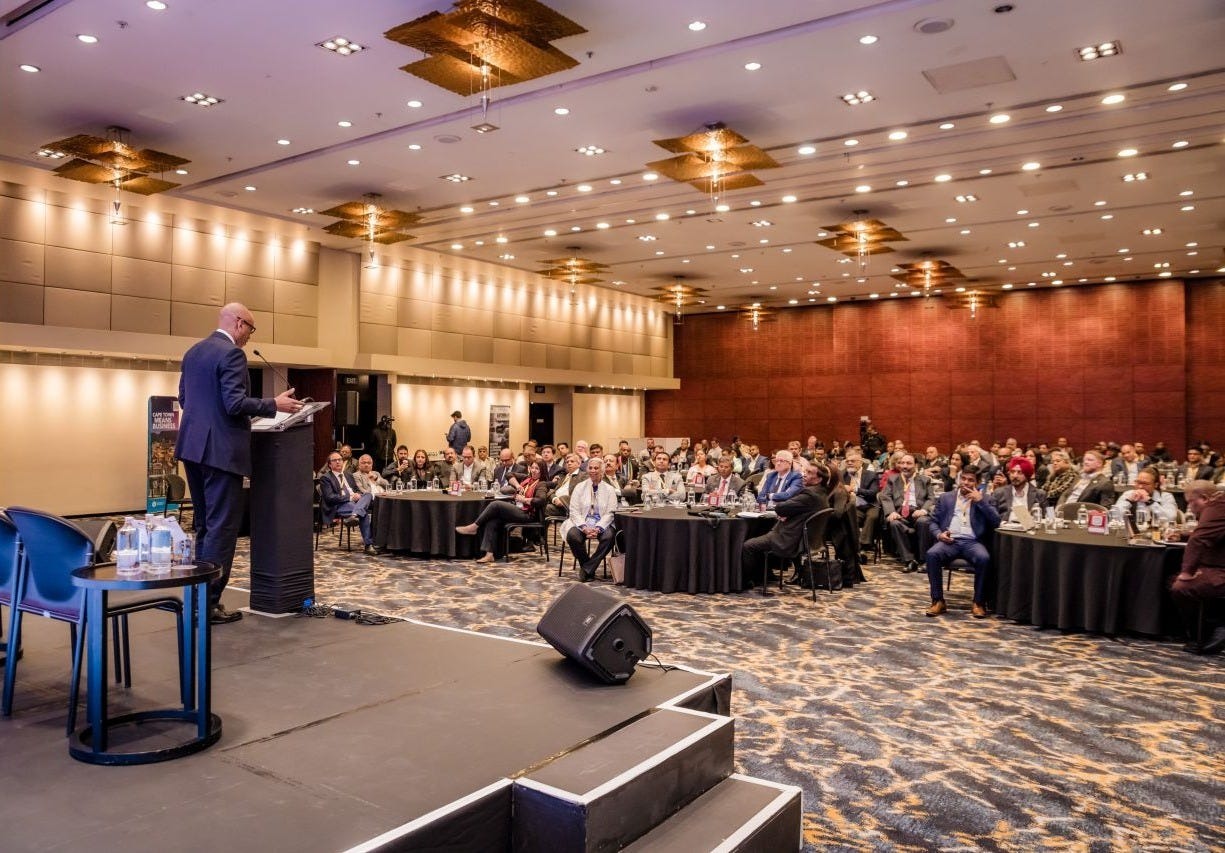
Day Two brought the Summit into its main programme at The Westin Cape Town.
The conversation expanded from skills and education to finance, investment, trade, technology and the sectors shaping the future of both regions.
Opening remarks from Sushil Jiwarajka, Chairman of Infrastructure Corporation of Africa, reflected on the long history of India–Africa relations, the scale of the opportunity ahead and the importance of creating platforms that can move the relationship from goodwill to deeper economic cooperation.
Venessa Dewing, VP Sales, DHL Express Sub-Saharan Africa, added a perspective on the practical importance of connectivity and the movement of goods, businesses and opportunities across borders.
Our keynote speaker, Ethiopis Tafara, Regional Vice President for Africa at the International Finance Corporation (IFC), then placed the conversation firmly within the broader question of how capital can support Africa’s next phase of growth.
The question running through the day was:
What financial architecture does the India–Africa corridor actually need?
Ethiopis keynote focused on the practical realities of getting capital into businesses, infrastructure and industries. The opportunity is ultimately about what happens when capital, ideas and people are able to move more freely across borders.
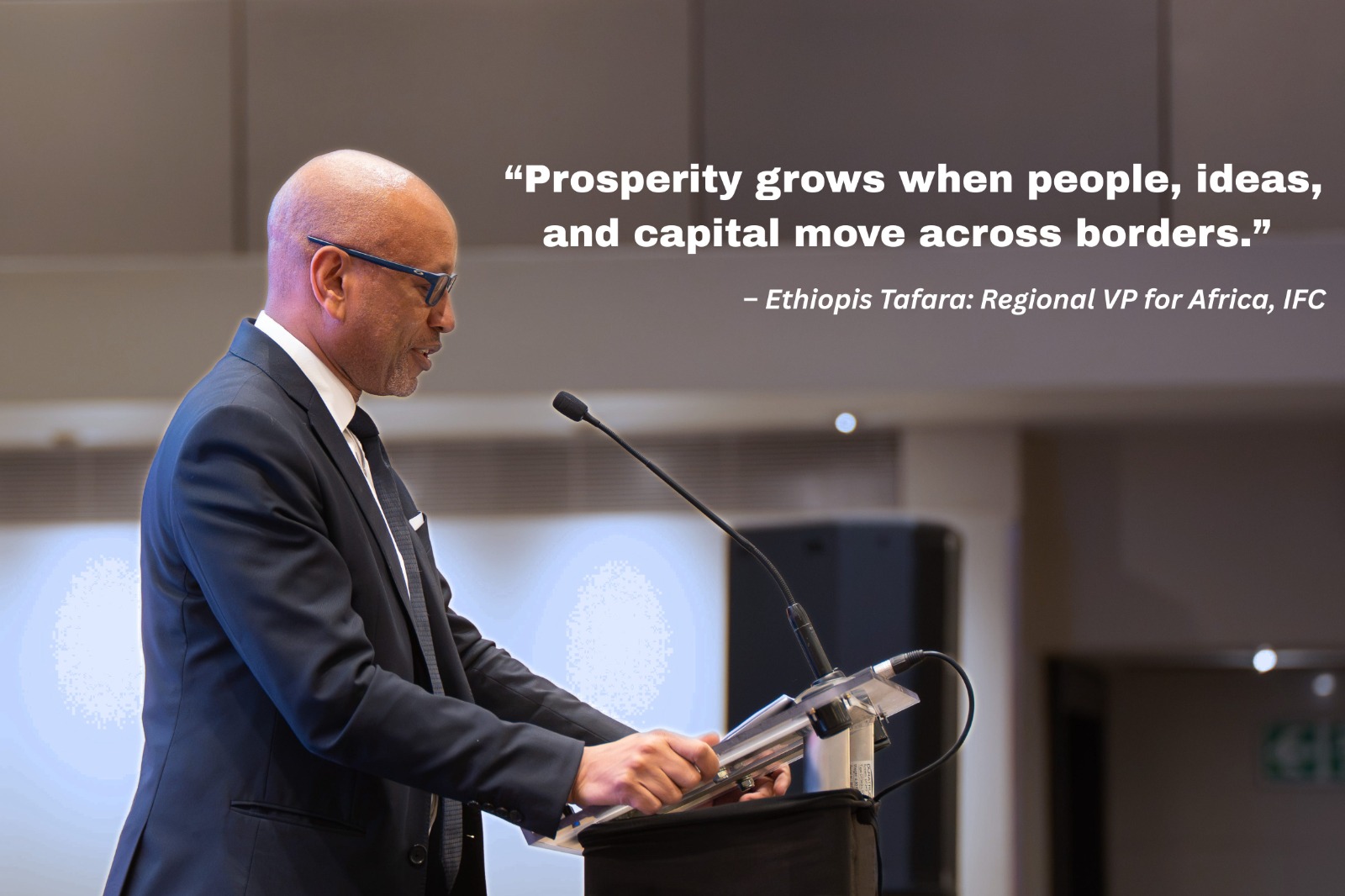
He later reflected on the significant opportunities emerging across the Africa–India corridor, particularly in sectors including energy, agribusiness, digital infrastructure, healthcare and critical minerals.
The conversation was not simply about the size of the opportunity. It was about the systems, partnerships and capital required to make that opportunity investable.
The Western Cape Government: A strategic Partner in the India-Africa Corridor
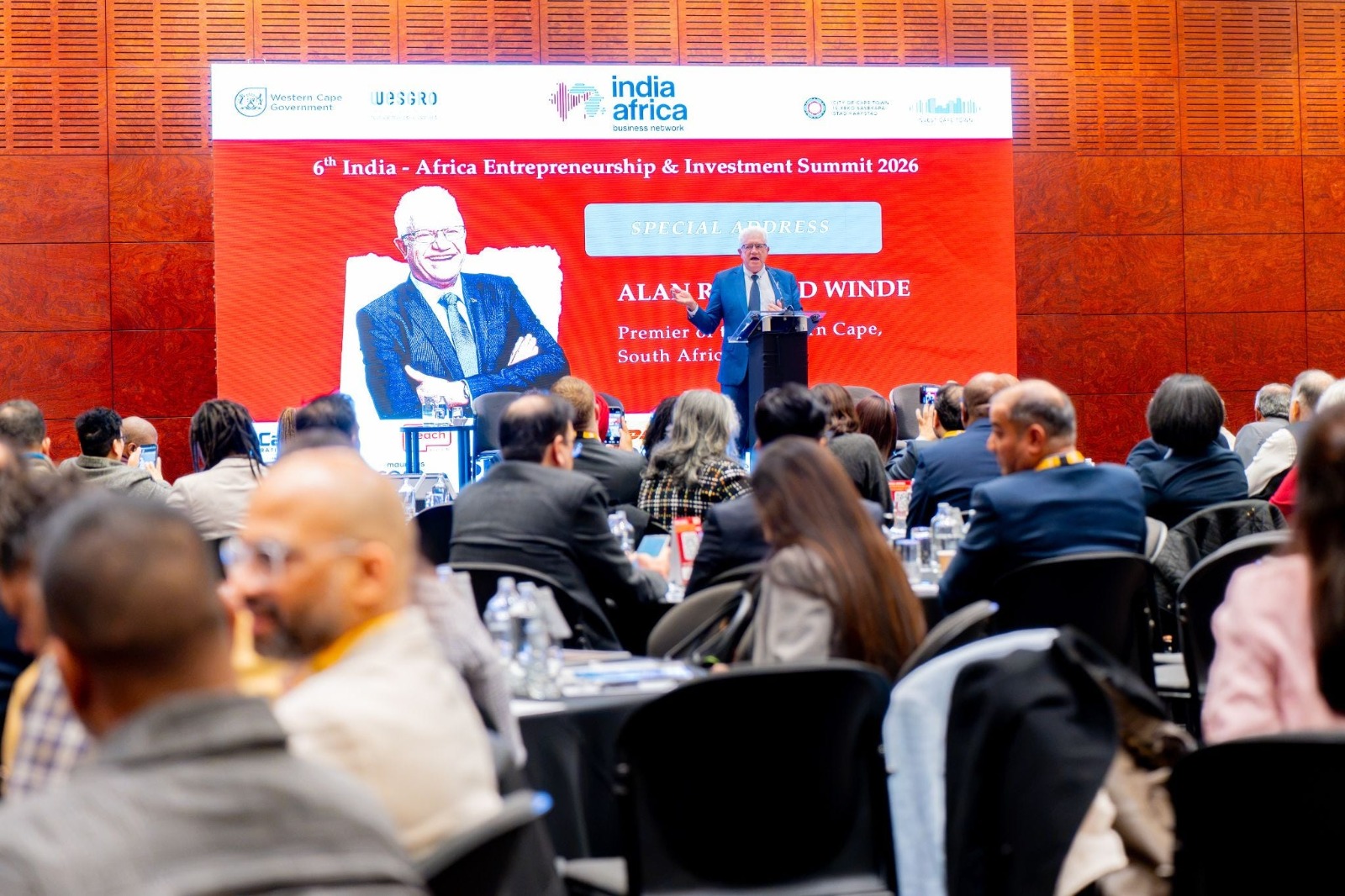
The Summit’s presence in Cape Town was made possible by a shared belief with the Western Cape Government of the importance of building stronger economic connections between India and Africa.
The Western Cape Government was not simply the host of the summit but a strategic partner in strengthening the connections between one of Africa’s most dynamic economic regions.
For the Western Cape, the relationship with India is already substantial with investment from India into the province reaching R40 billion since 2015.
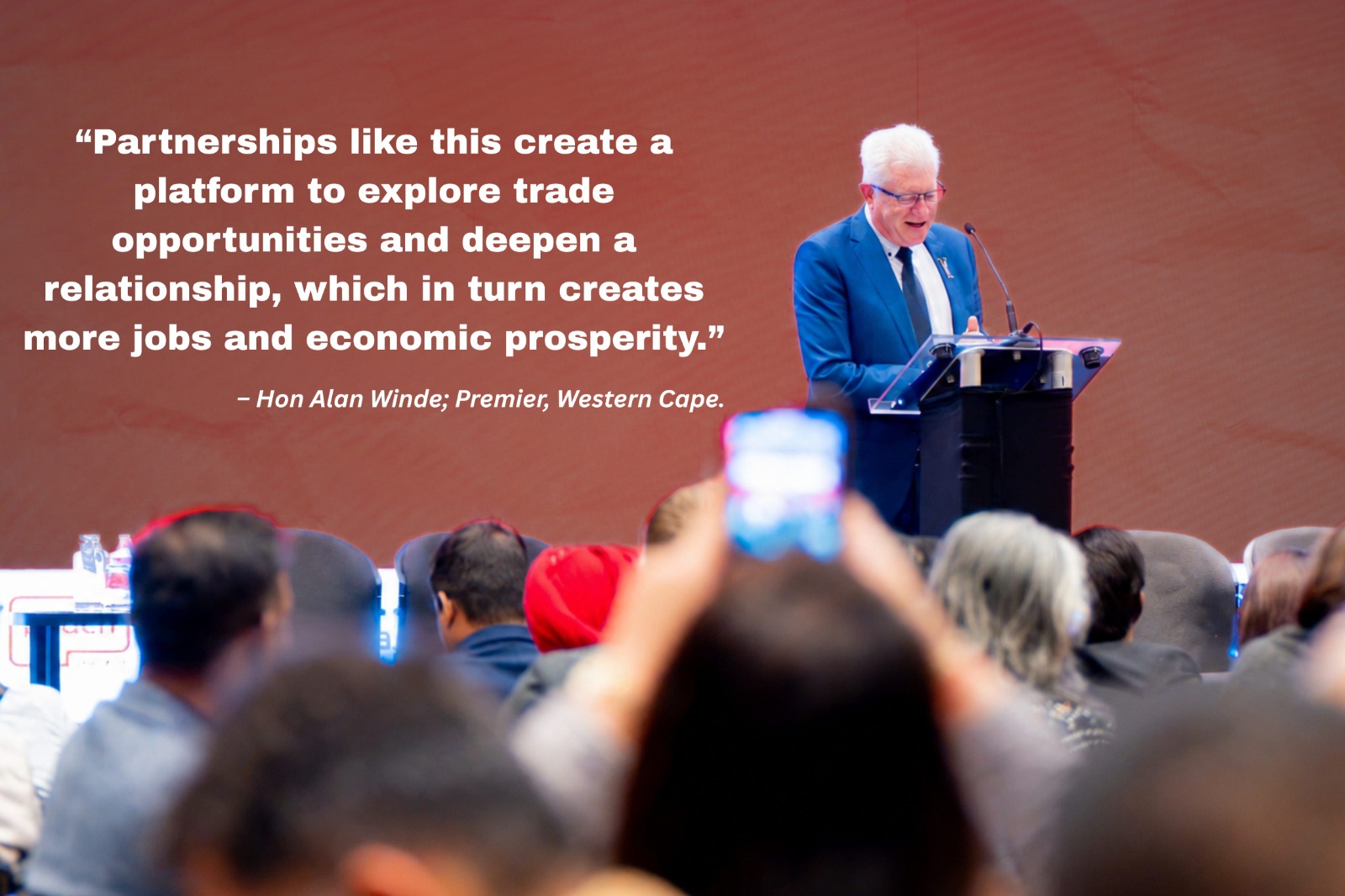
However, the opportunity ahead is significantly larger. As Hon Alan Winde, Premier of the Western Cape emphasised, the opportunity is now moving from not simply about attracting more investment to building deeper and more sustained relationships between businesses, investors, institutions and entrepreneurs in the Western Cape and across India.
The Premier commended the India-Africa Entrepreneurship & Investment Summit as it precisely provides the space where all key stakeholders are in a room to explore trade and knowledge opportunties, deepen relationships, introduce new partners and facilitate bilateral trade opportuntiies.
As Hon Alan reflected that:
That ambition was visible throughout the Summit particularly in the conversations around trade, tourism, technology, manufacturing and business services.
The Roundtables: From Opportunity Mapping to Sector-Focused Action
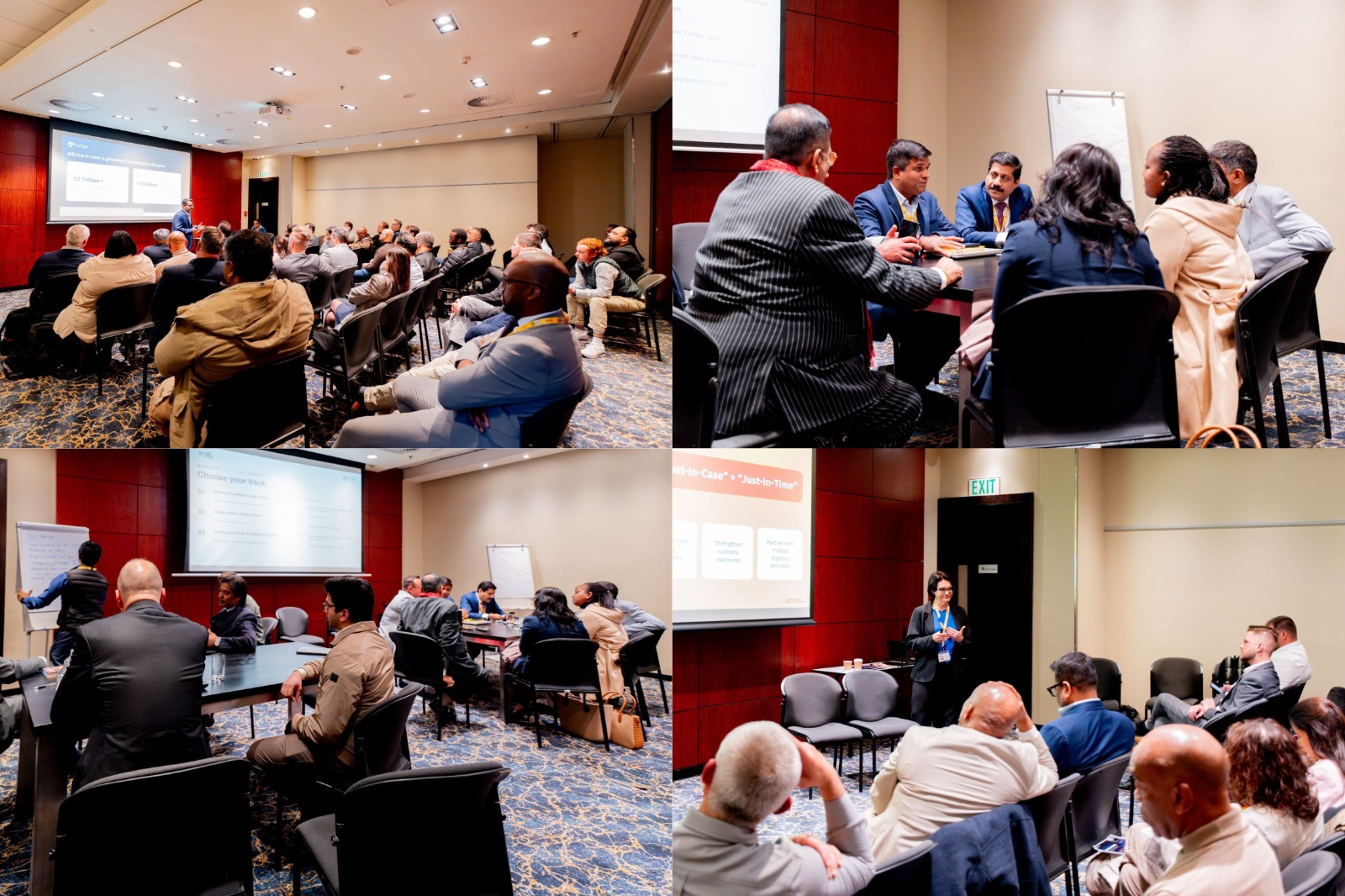
The conversations on the main stage created a broad picture of the opportunities emerging across the India–Africa corridor. Shortly after, delegates moved into smaller focused, sector-specific discussions across eight roundtables held at different locations across Cape Town.
The roundtables created a space for participants to move beyond the broader questions surrounding the India–Africa relationship and examine the opportunities and challenges within specific sectors.
Across conversations spanning Agritech & Biotechnology, AI & Digital Public Infrastructure, Green Energy & ClimateTech, Healthcare & Pharmaceuticals, Logistics & FMCG, Space, Defence & DeepTech, Travel & Tourism and Digital Solutions Outsourcing, delegates brought together different perspectives from across the business, investment, government and ecosystem landscape.
The discussions were focused on the practical questions that determine whether opportunity can translate into action.
What does meaningful cross-border collaboration look like in each sector?
Where are the opportunities for investment and partnership?
What are the barriers to doing business across markets?
And what needs to happen next?
The roundtables also created an opportunity for participants to identify the specific relationships, partnerships and interventions required to unlock growth within their respective sectors.
Celebrating the Entrepreneurs powering the India-Africa Corridor
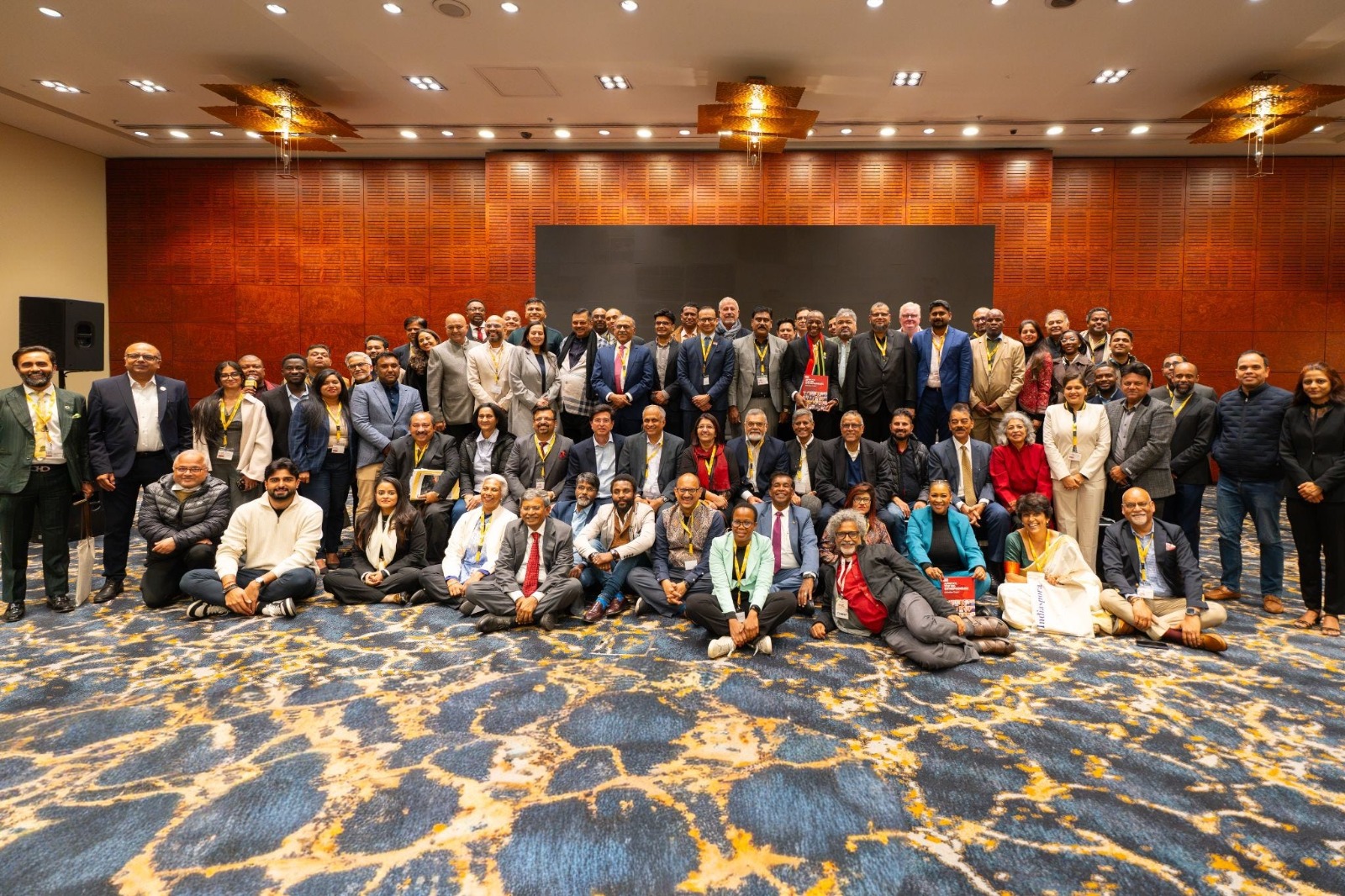
The Summit also celebrated the people who have helped build the India–Africa relationship over generations.
The launch of Africa’s Top 100 Entrepreneurs of Indian Origin by H.E. Prithvirajsing Roopun, former President of Mauritius, recognised entrepreneurs whose businesses have contributed to job creation, industrial development and economic growth across the continent.
The report was launched alongside India and Its Diaspora – Partners in Progress compiled by Indiaspora recognising the broader contribution of the Indian diaspora to Africa’s development.
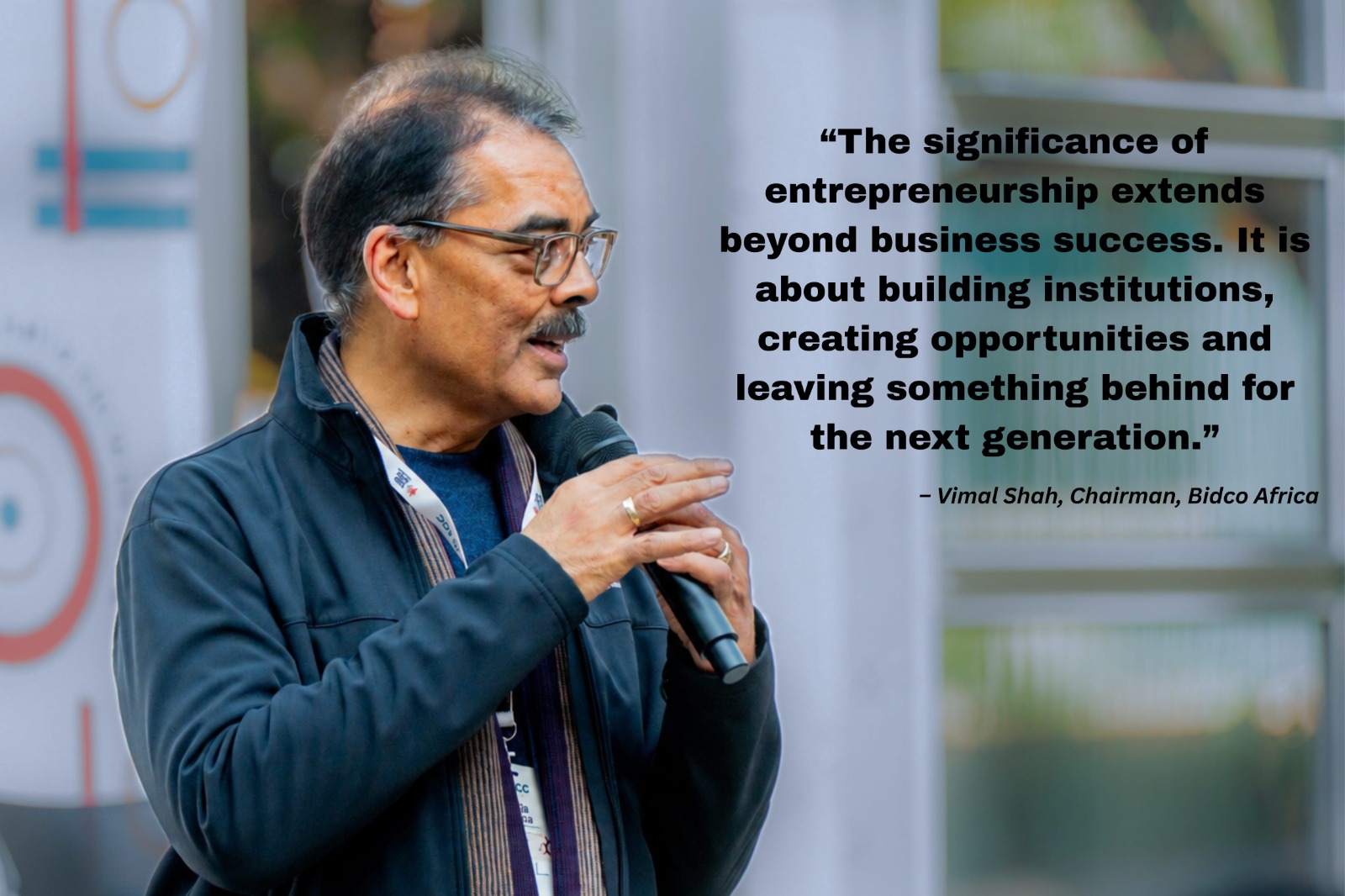
Vimal Shah (Chairman, Bidco Africa) whose own entrepreneurial journey has become part of Kenya’s industrial story, gave a gratitude remark highlighting that the significance of entrepreneurship extends beyond business success. It is about building institutions, creating opportunities and leaving something behind for the next generation.
Day 3: The Mechanics of Deal Structuring
After two days of conversations around talent, technology, trade and opportunity, the final morning turned to the practical mechanics of getting deals done: how to structure capital, navigate risk and move promising opportunities towards investment.
The he discussions explored the realities of investing across the India–Africa corridor, from offshore and onshore investment planning to the regulatory, currency and infrastructure considerations shaping investment into South Africa and the wider continent.
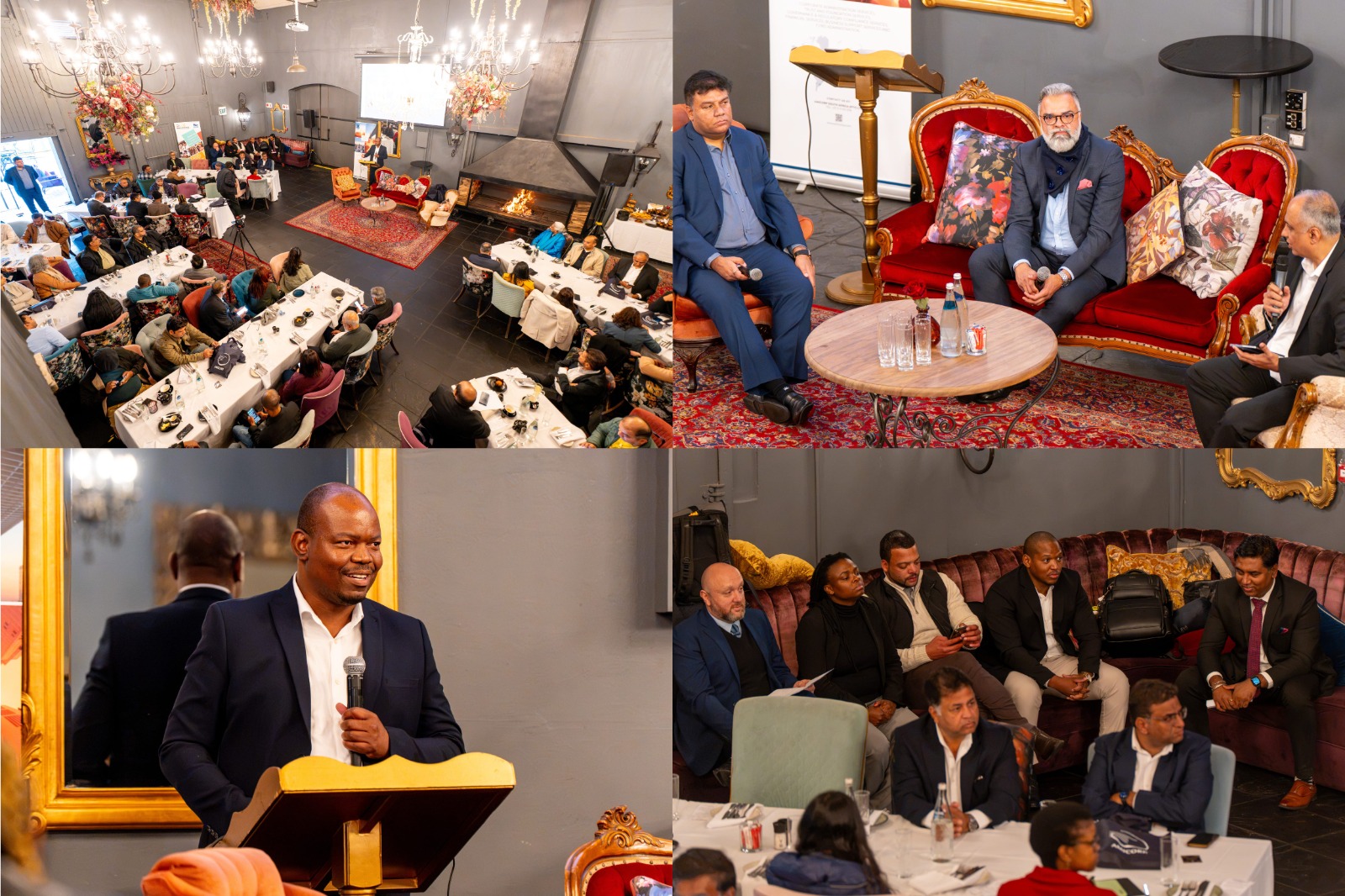
The Summit concluded with a networking brunch and an afternoon at Groot Constantia bringing three days of conversations, connections and new possibilities to a close.