
Aug 26, 2024
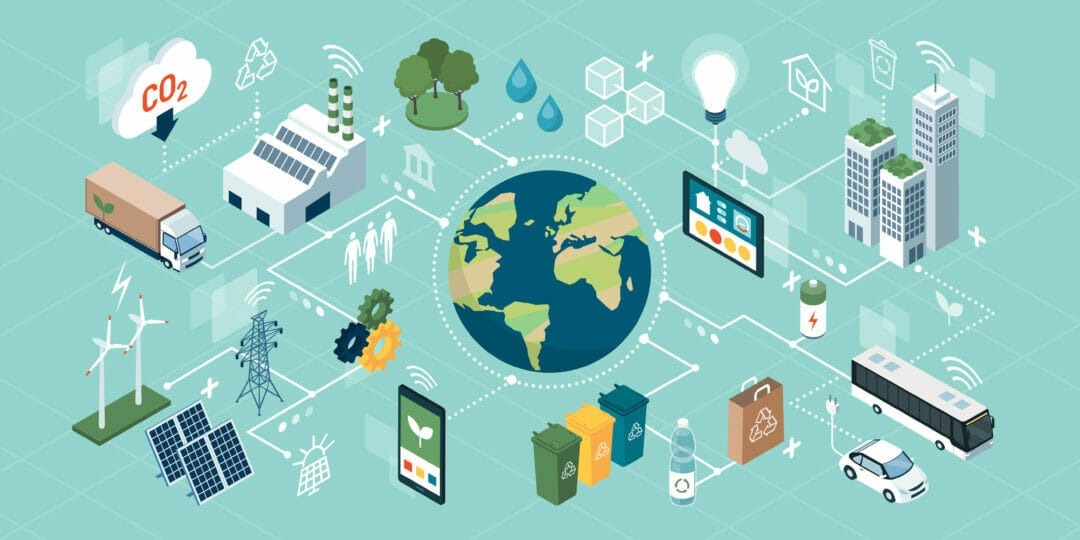
Climate Tech Investment Trends in India
India's climate tech ecosystem is emerging as a crucial player in the global fight against climate change. A recent report by the Overseas Development Institute warns that India could lose between 3-10% of its GDP annually by 2100 due to climate change, with poverty rates potentially rising by 3.5% by 2040. This stark forecast underscores the urgency of climate action in India, where sector-wise Greenhouse Gas (GHG) emissions are driven primarily by the energy sector, which accounts for nearly 69% of emissions. Other significant contributors include agriculture at 19.6% and industrial processes at 6%.
The Government of India (GoI) has responded by committing to a 50% reduction in CO2 emissions by 2050 and achieving net-zero emissions by 2070. India's leadership at the G20 further emphasizes the need for global collective action on climate change.
As the G20 host, India has championed "disruptive innovation for climate action," focusing on green development, climate finance, and technological innovations. The country needs an estimated $900 billion over the next 30 years for a just energy transition, presenting an opportunity to leverage international climate finance.
Private sector involvement is critical in bridging the gap between the demand and supply of funds for climate action. India’s climate tech startup ecosystem is positioned at the intersection of technology and finance, offering solutions across various sectors, including clean energy, climate-smart agriculture, sustainable mobility, and carbon capture. From 2020 to 2022, the sector saw a surge in investment, totaling approximately $2 billion across 279 deals, marking a 126% increase in deal value and a 64% surge in deal volume from 2021 to 2022.
India is currently undergoing a significant energy transition, aiming to achieve 450 GW of renewable energy by 2030. Despite the heavy reliance on fossil fuels, the country is making strides in renewable energy, with startups playing a leading role. India ranks 9th globally in venture capital funding for climate technology, with investments rising to $3.7 billion in 2022 from $100 million in 2015. However, challenges remain, particularly the lack of substantial risk capital and the sectoral bias towards renewables and electric vehicles. An estimated $300 billion is needed for sustainable food value chains by 2030, and around $200 billion for water and solid waste management.
The climate tech sector in India holds vast potential for innovation, market competition, and job creation. With projected investments of $1.01 trillion in climate action from 2022 to 2030, the ecosystem is at a pivotal juncture.
Africa’s Climate Tech Revolution: Growth, Challenges, and Opportunities
Climate tech is fast becoming a cornerstone of Africa's startup ecosystem, accounting for an impressive 45% of all startup funding in 2024. This rise marks a significant shift from 21% in 2022, demonstrating the increasing recognition of climate tech's crucial role in addressing the continent's environmental challenges while fueling economic growth.
Key drivers of this growth include Africa's abundant renewable energy resources, such as solar, wind, and geothermal energy. These resources position the continent uniquely to capitalize on the global transition to a low-carbon economy. Notable investments highlight this trend, with a $110 million funding round for Nigerian vehicle financing company Moove, which supports the adoption of electric vehicles, and Tyme Bank's planned IPO targeting $150 million, reflecting the broader interest in sustainable solutions.
However, Africa’s climate tech sector faces significant challenges. Infrastructure deficits, such as unreliable energy supply and limited internet access, hinder innovation and scale. Additionally, regulatory frameworks in many African countries do not fully support climate tech initiatives, creating barriers to entry and expansion for startups. The high cost of capital and limited access to financing are also persistent issues exacerbated by global economic uncertainties.
Despite these obstacles, there are ample growth opportunities. Africa's youthful population and increasing urbanization drive demand for sustainable solutions across various sectors, including energy, agriculture, and transport. The African Continental Free Trade Area (AfCFTA) also offers a unique opportunity to boost intra-African trade in climate tech, fostering regional collaboration and innovation.
Moreover, several initiatives are paving the way for a more robust climate tech ecosystem. Programs like the Africa ClimAccelerator and the Climate Innovation Center South Africa support startups, offering mentorship, funding, and market access. These initiatives and the continent’s vast renewable energy potential position Africa as a future leader in climate tech innovation.
As investors increasingly recognize the importance of sustainable development, Africa's climate tech sector is poised to continue its upward trajectory, driving both environmental and economic benefits across the continent.
Get to Know the Regions:
- Ghana
Ghana, situated in West Africa, is celebrated for its rich cultural heritage and vibrant history. Known for its diverse ethnic groups and historical landmarks, such as the Cape Coast Castle and the Ashanti Kingdom’s cultural sites, Ghana has a strong legacy of resilience and unity. The country’s economy is buoyed by key industries including gold mining, cocoa production, and oil extraction, with cocoa being a major export.
In recent years, Ghana has made significant strides in economic development, driven by investments in infrastructure and technology. The capital city, Accra, is a bustling economic center with growing sectors in finance, tech startups, and manufacturing. Ghana’s commitment to sustainable development is evident in its renewable energy initiatives and agricultural advancements. With its stable political environment and strategic location along the Atlantic coast, Ghana continues to attract international investment and foster economic growth
2.Tamil Nadu
Tamil Nadu, a state in southern India, is renowned for its rich cultural heritage, dynamic economy, and historical significance. Known for its Dravidian architecture, vibrant festivals, and classical arts, Tamil Nadu is a cultural hub with landmarks like the Brihadeeswarar Temple in Thanjavur and the historic city of Madurai.
The state has a diverse economy driven by manufacturing, agriculture, and services. It is a leading hub for automotive and textile industries, with major cities like Chennai serving as a significant center for information technology and industrial development. Tamil Nadu’s agricultural sector benefits from its favorable climate, producing crops such as rice, sugarcane, and tea.
Tamil Nadu is also at the forefront of renewable energy, particularly wind power, with numerous wind farms harnessing the region’s coastal winds. The state’s robust infrastructure, educational institutions, and commitment to innovation position it as a key player in India's economic and cultural landscape.
Opportunity Highlights
- ABAN Online Workshop on Strategies for Building a Diverse Investor Base
Explore the journeys of leading women in the African investor ecosystem and discover strategies for recruiting a more diverse group of investors. This event will delve into creating inclusive investment environments, attracting female investors, and leveraging diverse perspectives for growth. It’s a valuable session for entrepreneurs, investors, and financial professionals interested in fostering diversity in the investment community. Register here.
2.Applications are now open for SAIS Investment Readiness Programme (IRP)
Are you leading a startup making a positive impact on agriculture, food & nutrition, livestock, or climate in Africa? 🌍 Apply now for the SAIS Investment Readiness Programme 2025! This one-year program, managed by GIZ, offers tailored coaching, technical assistance, and peer-to-peer learning with crucial fundraising support and exposure to investors, helping startups scale their solutions and enhance their impact. Apply here.
Business Spotlight
- Oorjan: Oorjan is an Indian cleantech company that focuses on democratizing solar energy by providing innovative solar solutions for residential and commercial properties. Their services include solar panel installations, maintenance, and financing options. Oorjan Cleantech aims to make solar energy more accessible and affordable, helping to promote clean energy adoption and combat climate change across India.
- Tree-ty: Tree-Ty is a Kenyan startup focused on reforestation and sustainable land management. By using satellite imagery and AI, Tree-Ty monitors and manages reforestation projects, providing real-time insights to track progress and identify needs. Their tech-driven approach supports large-scale tree-planting initiatives, combats deforestation, and fosters environmental conservation across Africa.
Did you know?
- Did you know India is the fourth largest automotive manufacturer in the world, producing over 12.5 million vehicles annually?
- Did you know that Democratic Republic of Congo is the largest global supplier of cobalt, providing ~70% of the world’s cobalt, while South Africa is the leading producer of platinum, accounting for ~75% of global platinum?
Don’t forget to:
- Share your story: Are you an entrepreneur with an important milestone or innovation to share? Reply to this newsletter, and we might feature your story in the newsletter or on our social media.
- Spread the Word: Did you enjoy this newsletter and know others who would too? Forward this issue via email or share it on social media. If you've been forwarded this newsletter, subscribe here.