
Jan 8, 2025
Africa’s Circular Economy—Opportunities and Emerging Markets
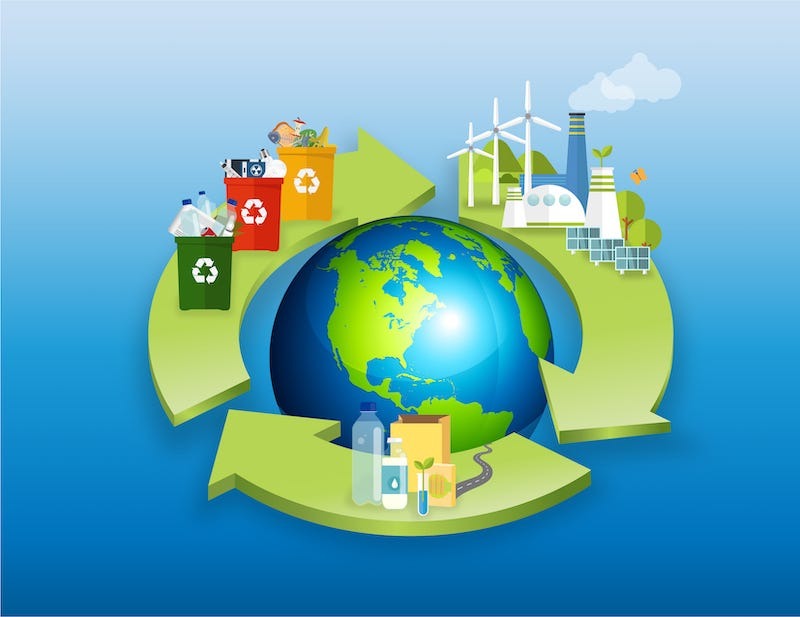
With only about 4% of the continent’s waste recycled, the World Economic Forum estimates that by adopting circular practices, Africa could add $8 billion annually to its economy by 2030. Beyond this economic potential, circularity could address waste, reduce carbon emissions, and create sustainable jobs.
Market Size and Key Sectors
The circular market in Africa is expected to grow substantially, with key sectors emerging in waste conversion, plastic recycling, and e-waste management. Africa’s agriculture sector, comprising 60% of the sub-Saharan workforce, is primed for circular transformation. Food loss alone costs the continent an estimated $4 billion annually, yet solutions like organic waste conversion into fertilizer could bolster food security, create green jobs, and enhance soil health. The e-waste sector offers another notable opportunity, with sub-Saharan Africa generating 2.9 million tonnes of e-waste in 2021. Developing recycling infrastructures for e-waste could boost material recovery and support green job creation.
Scaling Innovations and Policy Support
African countries must prioritize policy changes and technological investments to grow the circular economy. Rwanda’s ban on single-use plastics and South Africa’s Extended Producer Responsibility (EPR) framework for plastic and packaging are positive examples. Policies encouraging private sector engagement, skills development, and innovation hubs can also accelerate the transition. Programs like the African Circular Economy Alliance (ACEA) are already making strides by supporting small and medium enterprises (SMEs) and advocating for circularity across the continent. However, success will rely on cross-border collaboration, especially for sectors like waste management that require shared resources and systems.
Circular Economy in India—A Pathway to Sustainable Growth
India’s annual material consumption could double to 14.2 billion tonnes by 2030. Despite recycling only 20% of resources, the potential for India’s circular economy is enormous, with estimates suggesting it could yield $624 billion in benefits by 2050.
Circular Economy Drivers and Market Opportunities
India’s circular economy landscape is taking shape across key sectors like waste management, e-waste, and agriculture. For example, India generates over 62 million tonnes of waste annually, and estimates predict this could reach 150 million tonnes by 2025. Programs like the Swachh Bharat Mission have paved the way for increased waste segregation and recycling infrastructure, but more must be done. India’s e-waste sector also holds vast potential, with over 3 million tonnes generated yearly, driven by increasing digital device usage. Leveraging India’s waste as a resource could create approximately 1.4 million jobs by 2030, according to NITI Aayog.
Agriculture, which employs 43% of the population, offers further circular opportunities. The transition to sustainable practices, like using crop waste for bioenergy, could reduce greenhouse gas emissions and enhance productivity. Additionally, construction—a major contributor to India’s carbon footprint—is ripe for circular innovation. Embracing modular construction and using sustainable materials could minimize waste and drive down costs.
Challenges and the Way Forward
Despite India’s advancements, challenges persist. Limited awareness of circular principles, inadequate infrastructure, and a lack of policy alignment remain barriers to progress. To address these, India has implemented key policies, including the National Resource Efficiency Policy (NREP) and Extended Producer Responsibility (EPR). These policies encourage waste reduction, resource efficiency, and circular business models. Furthermore, digital innovations in blockchain and artificial intelligence are poised to transform waste management and traceability.
For India’s circular economy to succeed, multi-stakeholder collaboration is essential. Bringing together government agencies, private firms, and local communities can drive the needed transformation. Strategic investments in waste processing, recycling infrastructure, and educational programs are vital steps toward achieving these goals.
A Call to Action for Collaborative Growth
By strengthening partnerships, sharing knowledge, and implementing supportive policies, India and Africa could accelerate their circular transitions. Businesses and investors should explore these billion-dollar markets, as the opportunities for economic growth and environmental impact are vast. Both regions have unique strengths and challenges, but by working together, Africa and India can set a powerful example for the global circular economy transition.
Get to Know the Regions:
- Uganda
Uganda is located in East Africa, often known for its rich natural resources, including coffee, tea, and minerals. Its growing economy is driven by agriculture production with it being one of the top global coffee producers, and home to some of the world’s most biodiverse ecosystems, making it a prime destination for eco-tourism. Its capital, Kampala, is a thriving economic business hub, with Entebbe being an international gateway due to its proximity to the airport.
Despite infrastructure and governance challenges, Uganda’s natural resources and strategic location within the East African Community (EAC) make it a promising market for growth and investment, particularly in sectors like agribusiness, energy, and tourism.
- Kerala
Kerala, located on India’s southwestern coast, is known for its high standards of social development, rich cultural heritage, and thriving economy. The state is a major contributor to India’s agricultural exports, producing spices, rubber, and coconuts, along with a growing agritech sector focused on sustainability.
Kochi serves as a key seaport city, while Thiruvananthapuram, its capital, has emerged as an IT and tech hub. The state’s progressive policies and focus on innovation make it a preferred destination for businesses looking to tap into the South Indian market.
Opportunity Highlights
- Apply for the Tony Elumelu Foundation Grant 2024The Tony Elumelu Foundation is now accepting applications for its 2025 Entrepreneurship Program, focused on empowering African entrepreneurs across various industries. Early-stage African entrepreneurs will receive $5,000 in seed capital, business training, and mentorship to scale their businesses. Applications are open to both new startup ideas and existing businesses that are less than 3 years old across all the 54 African nations. Apply here.
- Apply for GoodTech Ventures AcceleratorThe GoodTech Ventures Accelerator is offering early-stage entrepreneurs a chance to scale their impact-driven startups. This year’s accelerator program powered by Catch22 in partnership with Social Tech Trust and Unity Ventures focuses on leveraging technology for sustainable solutions. Participants will gain access to expert mentors, investors, and valuable resources including a £3000 grant to accelerate their ventures. Apply here.
Business Spotlight
- TakaTaka Solutions: TakaTaka Solutions is a leading waste management company in Kenya focused on recycling and reducing urban waste. It offers both residential and commercial services and processes plastics, paper, and organic waste into reusable products like compost and recycled plastics. With a growing customer base and a strong commitment to environmental sustainability, TakaTaka Solutions is driving Kenya’s transition towards a circular economy and creating green jobs whilst actively contributing to environmental conservation.
- Recykal: Recykal is a leading Indian tech-driven waste management platform that focuses on recycling and circularity. It connects businesses, waste collectors, and recyclers through its digital marketplace, helping optimize waste collection, sorting, and recycling. By streamlining these processes, Recykal contributes to landfill waste reduction and supports sustainable practices, driving India’s shift towards a circular economy.
Did you know?
- Did you know India ranks 5th globally in terms of solar power capacity contributing 72.7 GW in 2023, contributing about 13% of the world's total?
- Did you know that Africa is home to the world’s largest concentrated solar power facility: the Noor Solar Complex in Morocco, which generates 580 MW of power?
Don’t forget to:
- Share your story: Are you an entrepreneur with an important milestone or innovation to share? Reply to this newsletter, and we might feature your story in the newsletter or on our social media.
- Spread the Word: Did you enjoy this newsletter and know others who would too? Forward this issue via email or share it on social media. If you've been forwarded this newsletter, subscribe here.