
Aug 8, 2024
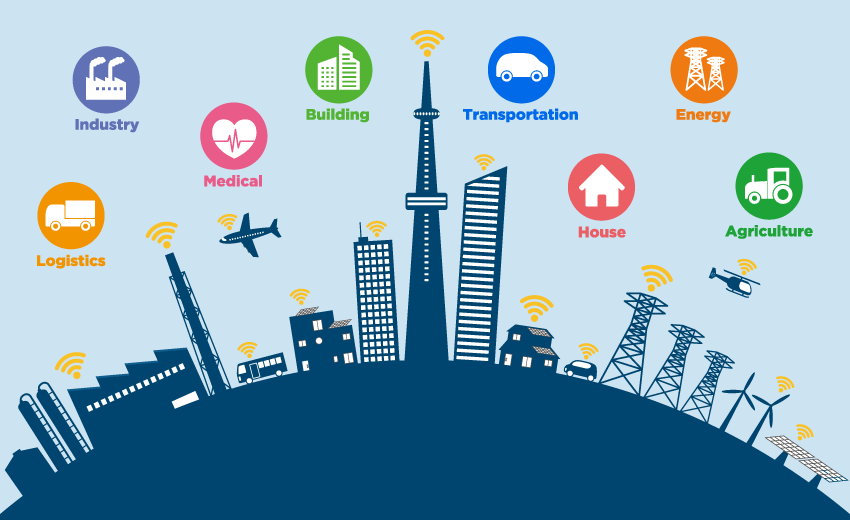
The Promise of Smart Infrastructure
As urban populations surge, smart infrastructure is crucial in addressing the challenges of urbanization. The global urban population is projected to reach 6.7 billion by 2050, placing immense strain on existing infrastructure systems. Smart infrastructure leverages advanced technologies such as the Internet of Things (IoT), Artificial Intelligence (AI), and Big data analytics to enhance urban efficiency and sustainability. For instance, smart grids are predicted to cut energy losses by up to 15%, according to the International Energy Agency. Telemedicine usage has increased by 38-fold since 2019, improving access to quality healthcare, with smart classrooms having boosted student engagement by 20% and academic performance by 15%. The 5G market is set to hit $700 billion by 2030, enabling advanced applications across sectors.
Additionally, the smart infrastructure market which was valued at $320 billion in 2022, is expected to grow at a CAGR of 23% through 2030. Hence, for every €1 billion invested in smart infrastructure, approximately 12,000 jobs are created, showcasing its economic and developmental impact. This paradigm shift is transforming cities into more connected, efficient, and sustainable environments.
Smart infrastructure encompasses three critical components: physical, social, and soft. Physical infrastructure includes assets like roads and bridges, enhanced with sensors and connectivity. Social infrastructure involves services such as healthcare and education, which benefit from digital technologies to improve access and outcomes. Soft infrastructure refers to digital frameworks and policies that integrate physical and social elements, such as 5G networks and cybersecurity measures. Together, these components build a more connected, efficient, and sustainable urban environment.
India: Pioneering Smart Cities
India with its rapid urbanization and diverse demographic landscape is on an ambitious path to redefine urban living through its Smart Cities Mission, which aims to develop 100 smart cities by 2030. This initiative spans physical, social, and soft infrastructure, integrating advanced technologies to improve urban life.
The National Infrastructure Pipeline (NIP), with an investment of USD 1.4 trillion by 2025, spearheads advancements across key transportation sectors like highways, railways, ports and airports. In cities like Pune, smart traffic management systems are being used to reduce traffic congestion by 20% and reduce emissions by 10%. The deployment of smart grids in cities like Bangalore is projected to cut energy losses by 15%, enhancing efficiency and reliability. Indian Railways’ “Kavach” system is a notable innovation, that aims to prevent collisions and improve safety, and the ongoing modernization is part of a broader strategy to automate and digitize operations. Ports are adopting digital solutions to streamline operations, and airports are implementing advanced technologies like SITA's cloud-based systems to improve passenger processing and operational efficiency.
On the social infrastructure front, India is making significant strides in healthcare and education. The expansion of telemedicine services has seen over 200 million consultations in 2022, a 38-fold increase since 2019, bringing quality healthcare to underserved areas. In education, digital classrooms and e-learning platforms are revolutionizing teaching methods, with smart classrooms improving student engagement by 20% and academic performance by 15%, as reported in recent studies. The National Education Policy 2020 emphasizes technology integration, aiming to boost digital literacy among students.
Supporting these advancements is the soft infrastructure layer, where the Digital India initiative plays a crucial role. It has expanded broadband coverage to 95% of urban areas and 60% of the rural regions, with high-speed internet becoming increasingly accessible. The upcoming 5G rollout, expected to reach USD 20 billion by 2025, will further enhance connectivity and enable smart applications. The smart infrastructure market in India is projected to grow to USD 1.35 trillion by 2030, with a compound annual growth rate (CAGR) of 20.5% from 2024. Key players like ABB, Honeywell, and Siemens are investing in technologies for smart grid management, cybersecurity, and energy efficiency, fueling this growth.
India’s comprehensive approach to smart infrastructure is setting a global standard, blending physical, social, and digital advancements to build more resilient, efficient, and connected urban environments. With substantial investments and rapid technological progress, India is advancing towards a future where smart cities offer enhanced living conditions and sustainable development.
Smart Infrastructure in Africa: Transforming Urban Landscapes
Across Africa, the evolution of smart infrastructure is reshaping urban environments and driving economic growth through innovative technology solutions. Cities like Nairobi and Kigali are leading the way with smart physical infrastructural advancements. Nairobi’s implementation of smart traffic lights has cut travel times by 15% and improved road safety by using real-time data. Kigali’s investment in smart grids and solar power is enhancing energy access and sustainability, reflecting a broader trend of modernization across the continent.
The African Development Bank estimates that Africa requires $130-170 billion annually to close its infrastructure gap, making initiatives like Kenya’s LAPSSET Corridor—a multi-billion-dollar project involving roads, railways, and ports—crucial for improving regional connectivity.
Within social infrastructure, smart technologies are making significant strides in revolutionizing healthcare and education. Platforms such as M-TIBA in Kenya are revolutionizing access to medical services, reaching over 5 million users in remote areas through its mobile health solutions. Education is also evolving with platforms like Eneza Education, which provides digital learning resources to over 2 million students across multiple countries. This digital leap is crucial for enhancing educational outcomes and addressing the various gaps in access to quality education. The African Union’s Agenda 2063 underscores the importance of expanding digital health and education services to foster socio-economic development across the continent.
The soft infrastructure supports these advancements through policymaking and key digital and regulatory frameworks. A case in point is the Smart Africa Alliance, launched in 2013, which is driving regional ICT development and integration, through facilitating the rollout of 4G networks in 30 countries, with plans for 5G deployment on the horizon. With a mobile broadband market projected to reach $30 billion by 2026. Alongside this, the African Union is developing comprehensive policies to ensure data security and privacy, crucial for supporting innovation and protecting digital infrastructure.
Get to Know the Regions:
- Egypt
Egypt is a nation that is strategically positioned at the crossroads of Africa and the Middle East, blending its rich historical heritage with modern innovation. The nation’s economy is driven by key sectors including energy, tourism, and manufacturing, with the Suez Canal playing a pivotal role in global trade revenue. Egypt’s tourism thrives on iconic sites like the Pyramids of Giza, attracting millions of visitors every year. Egypt is also advancing in smart infrastructure, with initiatives like Cairo’s smart city projects, Digital Egypt Initiative and the New Administrative Capital showcasing cutting-edge technologies and sustainable solutions.
- Uttar Pradesh
Uttar Pradesh is a northern state in India, known for its rich historical roots with contemporary progress. The state’s economy thrives on agriculture, manufacturing, and tourism, with the Ganges River basin providing fertile grounds for extensive farming. Uttar Pradesh is a treasure trove of historical landmarks, including the Taj Mahal in Agra and the ancient city of Varanasi, drawing a large number of tourists annually. The state is also making strides in modernization, with initiatives aimed at enhancing infrastructure and technology, such as the development of smart cities and improved public services, positioning Uttar Pradesh as a significant player in India's growth narrative.
Opportunity Highlights
- Applications are now open for Fast Forward Startup Accelerator
Fast Forward Startup Accelerator is a premier program aimed at propelling early-stage startups that are making a significant social impact. It provides a robust ecosystem of support, including strategic mentorship, funding opportunities, and access to a broad network of industry experts and investors. They focus on startups with innovative solutions to social challenges, the accelerator helps entrepreneurs refine their business strategies, enhance product development, and scale their operations effectively. Apply here.
- Applications are still open for Startup Wise Guys PropTech Accelerator Program
Startup Wise Guys PropTech Accelerator is accepting applications for its next cohort, aimed at early-stage PropTech startups. The fully-funded program offers mentorship, training, and networking opportunities, plus funding support. Key stages include product and business development and investor pitching. Apply here by 31st October, 2024.
Business Spotlight
- Rensource: Rensource is a Nigerian renewable energy company, is transforming the energy landscape with innovative micro-utility platforms across Africa. It combines renewable energy sources with smart grid technology and energy storage systems, offering reliable power distribution and efficient energy management. Rensource aims to address energy poverty, boost economic development, and support a sustainable, low-carbon future through advanced renewable energy solutions.
- Esyasoft: Esyasoft is an Indian tech startup, transforming smart infrastructure with its advanced software solutions. It offers cutting-edge technologies for smart cities, IoT integration, and data analytics, enhancing infrastructure management and operational efficiency. Esyasoft’s innovations aim to modernize urban environments and drive intelligent, connected infrastructure development.
Did you know?
- Did you know India is home to the world's largest solar power park, the Bhadla Solar Park in Rajasthan, which spans over 14,000 acres and has a capacity of over 2,000 MW.
- Did you know that Africa produces about 95 percent of the world’s diamonds and 50 percent of its gold?
Don’t forget to:
- Share your story: Are you an entrepreneur with an important milestone or innovation to share? Reply to this newsletter, and we might feature your story in the newsletter or on our social media.
- Spread the Word: Did you enjoy this newsletter and know others who would too? Forward this issue via email or share it on social media. If you've been forwarded this newsletter, subscribe here.