Zimbabwe India-Africa Tech & Entrepreneurship Summit · Harare

Harare IAHCC Design Thinking Workshop

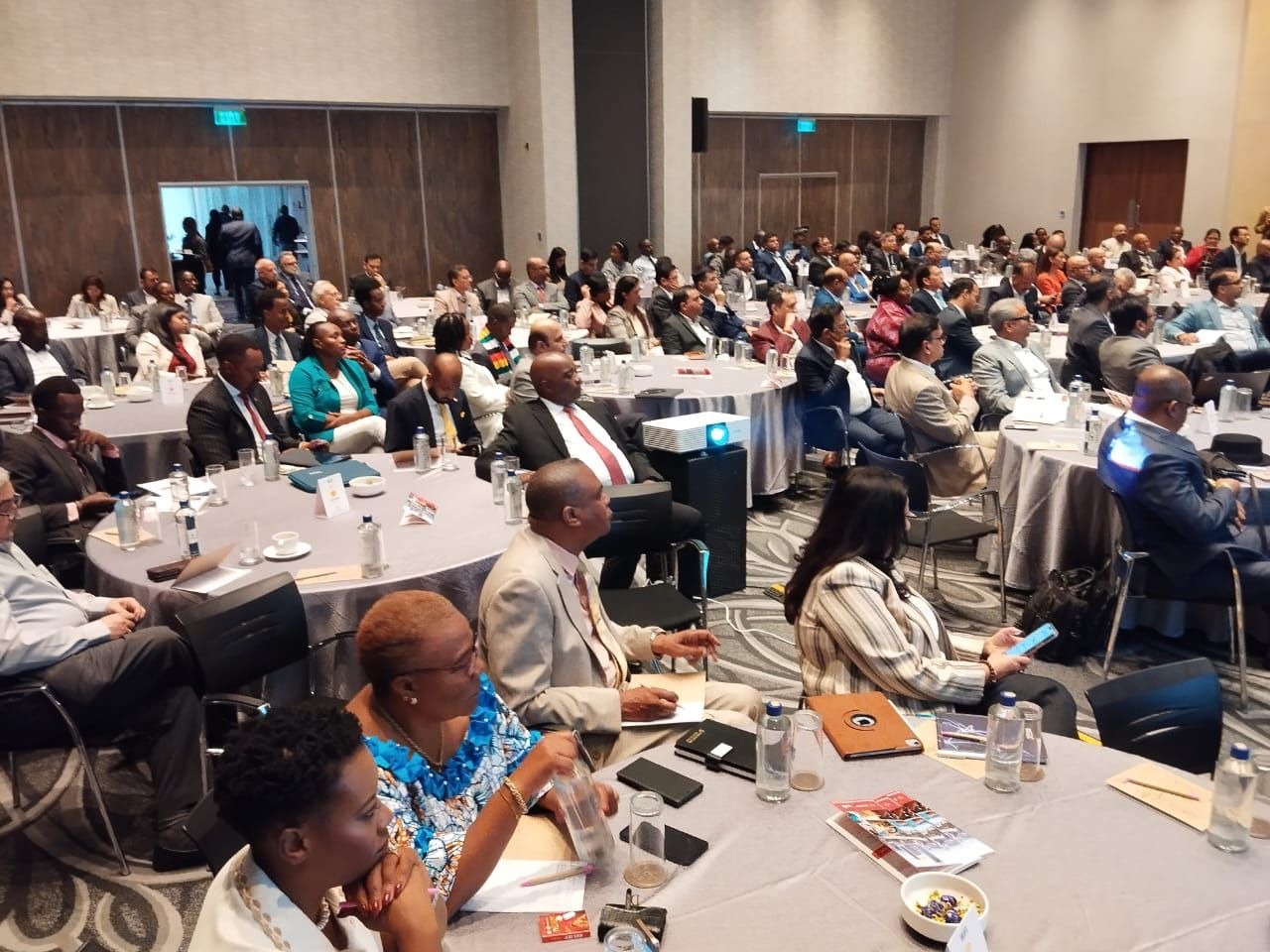
As part of the Zimbabwe India-Africa Tech & Entrepreneurship Summit, we are doing IAHCC Workshop to continue what we started in Cape Town.

📅 Oct 30, 2026 🕗 Time: 8:30 – 11:30 AM 📍 Venue: Harare, Zimbabwe

About the Corridor

India-Africa Human Capacity Corridor

The India-Africa Human Capacity Corridor is a bilateral platform designed to bring catalytic effect to India-Africa economic and investment initiatives. It connects entrepreneurial ecosystems and co-creates the talent infrastructure both regions need for long-term growth in Education, Skilling, Employability and Entrepreneurship, in this era of rapid technological advancements, particularly in artificial intelligence, that are transforming economies and governance.

Assessments › Education › Skills › Employability › Mobility

The African Union's Agenda 2063 places education and skills transformation at the heart of its long-run development strategy, calling explicitly for a Skills Revolution underpinned by Science, Technology and Innovation. UNESCO's continental education strategy (CESA 16-25) reinforces this by linking skills development directly to SDG4 priorities.

More than 60 percent of Africa's population is below age 25, making education-to-work pathways decisive for growth and stability. Capacity building must be outcomes-oriented and measurement-driven, not seat-time driven. This is the premise of the Corridor.

From Cape Town to Harare

As part of the Zimbabwe India-Africa Tech & Entrepreneurship Summit, we are doing IAHCC Workshop to continue what we started in Cape Town.

For more details of IAHCC kindly visit africa-india.org/page/hcc-launch

60%

of Africa's population is below 25 years, making education-to-work pipelines decisive for growth.

UN DESA

5

Pathways identified at the Cape Town launch, each with its own design thinking panel.

IAHCC

2063

AU Agenda 2063 mandates a Skills Revolution underpinned by Science, Technology and Innovation.

African Union

SDG4

Quality Education forms the core of CESA 16-25, aligned directly to the HCC value chain.

UNESCO / CESA

Workshop Format  ·  Design Thinking

Five pathways. Five panels. One corridor.

We have identified 5 pathways at the Cape-Town launch of India Africa Human Capacity Corridor and have started working on these pathways across the India and Africa, with all stake holders actively participating.

The design thinking workshop will be structured around these five pathways. Each of the pathway will have a panel with relevant stakeholders as described under each pathway. The participating stakeholders will be assigned to each of the pathway panel, based on their profile, interests and the value they can bring to the panel discussion.

The Pathways

The Five Design Thinking Pathways

Each pathway has a dedicated panel. Participants are assigned based on their profile, interests and the value they can bring.

Pathway

01

Foundational Talent Readiness (STEAM, 4Cs and AI)

School transformation

Focus: Aligning early-stage skills, primary/secondary education paradigms and vocational training frameworks with the fast-emerging AI/Technology driven global job markets; address the systemic bottlenecks that prevent school-age children from transitioning successfully into higher education.

Stakeholders in the Design Thinking Panel

Founders of school chains, School Education leaders including ministry, the group will also have a couple of university, research, TVET and Industry leaders to add their perspectives and needs.

Pathway

02

Transnational Education and Skills Mobility

Focus: To adapt to a world where AI automates traditional roles and skills trump degrees, India and Africa must fundamentally reinvent vocational training and higher education, to build a resilient, globally competitive youth workforce. May look at facilitating seamless cross-border credit transfers, joint degree programs, and student/faculty exchange systems between Indian and African universities.

Stakeholders in the Design Thinking Panel

University leadership, TVET leaders, Higher Ed leadership including from the ministry; A couple of incubation, industry and Entrepreneurial leaders.

Pathway

03

Frontier Research and Innovation

Focus: To prevent brain-drain and harness the demographic dividend, India and Africa must align their academic and R&D ecosystems. Teams participating in the design thinking workshop should focus on creating demand-driven, commercialized innovation to impact the massive, shared youth populations in both geographies. May create joint institutional sandboxes for R&D, patent co-sharing, and academic publishing in deep tech and emerging sectors.

Stakeholders in the Design Thinking Panel

Leaders from research, innovation and incubation bodies, a couple of members from investors community, industry along with university leadership.

Pathway

04

Fostering Entrepreneurship

Focus: To create 'localcorns' that solve systemic, grassroots challenges and stem rural-to-urban migration, the IA HCC co-architect teams must structure their deliberations around localized youth empowerment, cross-border incubator networks, accelerating startups, and sustainable scalability, may link Indian- African founders with angel ecosystem models.

Stakeholders in the Design Thinking Panel

Leaders from Innovation, incubation and investing, Youth empowerment, Labour/Employment/Employability related bodies, Entrepreneurship ecosystem, Industry leaders.

Pathway

05

Digital Public Infrastructure (DPI) for Human Capacity Building

Focus: To rapidly scale Digital Public Infrastructure (DPI) and EdTech across India and Africa, deliberate solutions must focus on regional interoperability, data sovereignty, and localized content. Stakeholders must design inclusive platforms and shared academic repositories to upskill a combined youth population that will drive the global economy for decades. Deploying open-source digital architectures, scalable e-learning platforms across the corridor, assessment and credentials verification systems for both Skills and University.

Stakeholders in the Design Thinking Panel

TVET, University, School governing leadership, Tech / DPI strategy and execution leaders, Members from Incubation, Entrepreneurship and Industry ecosystem.

Proven Platform

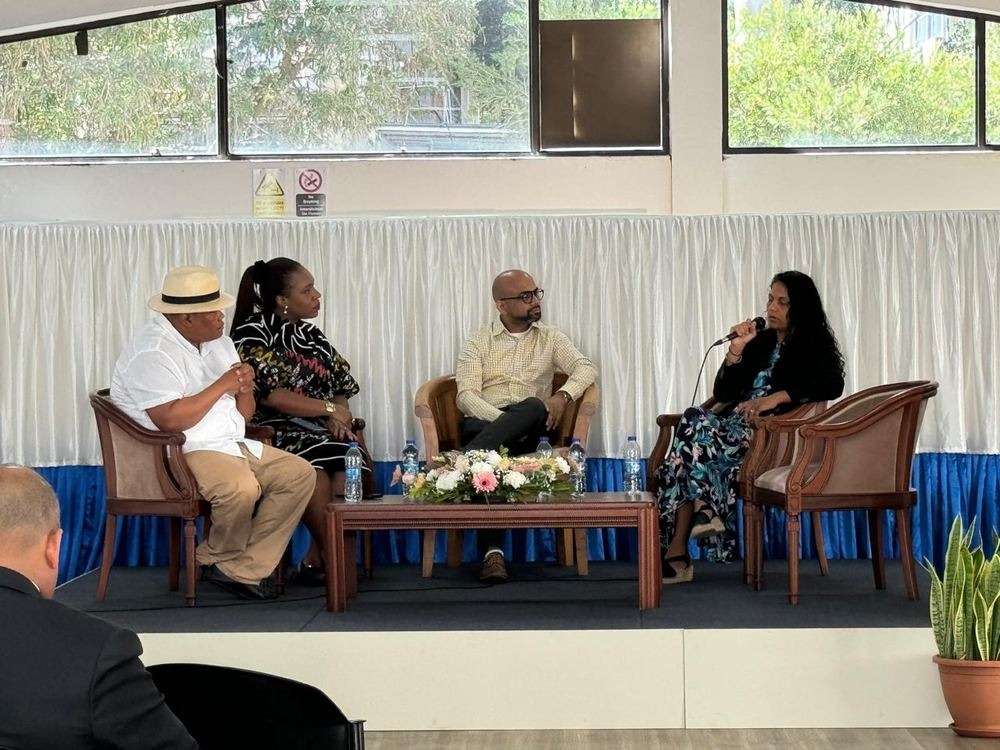
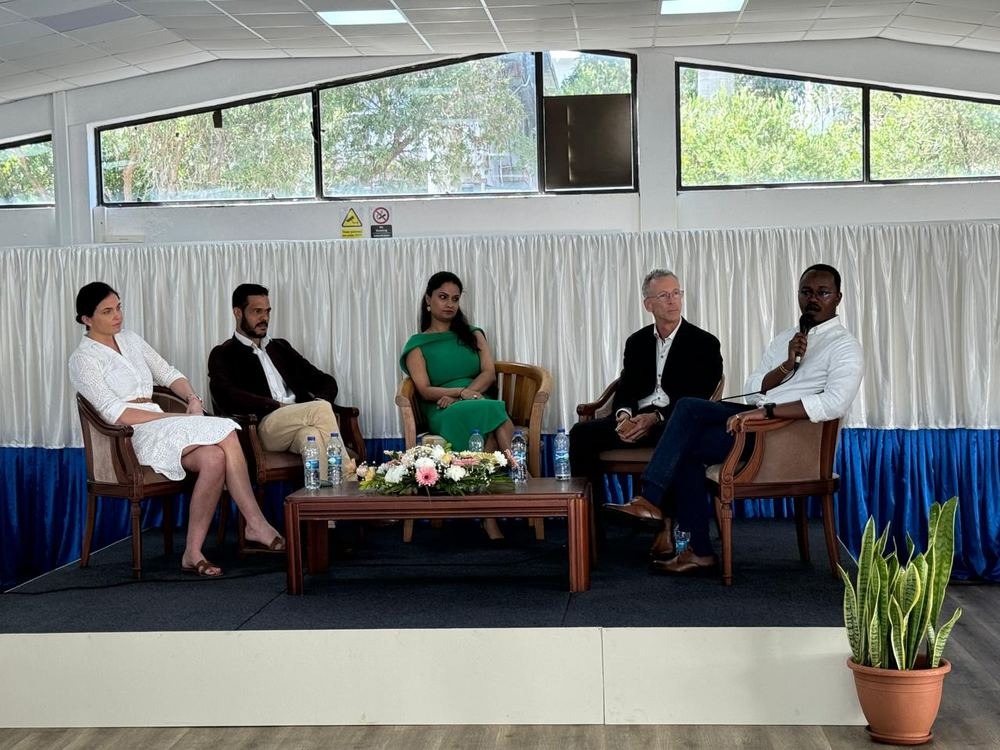
Continuing What We Started in Cape Town
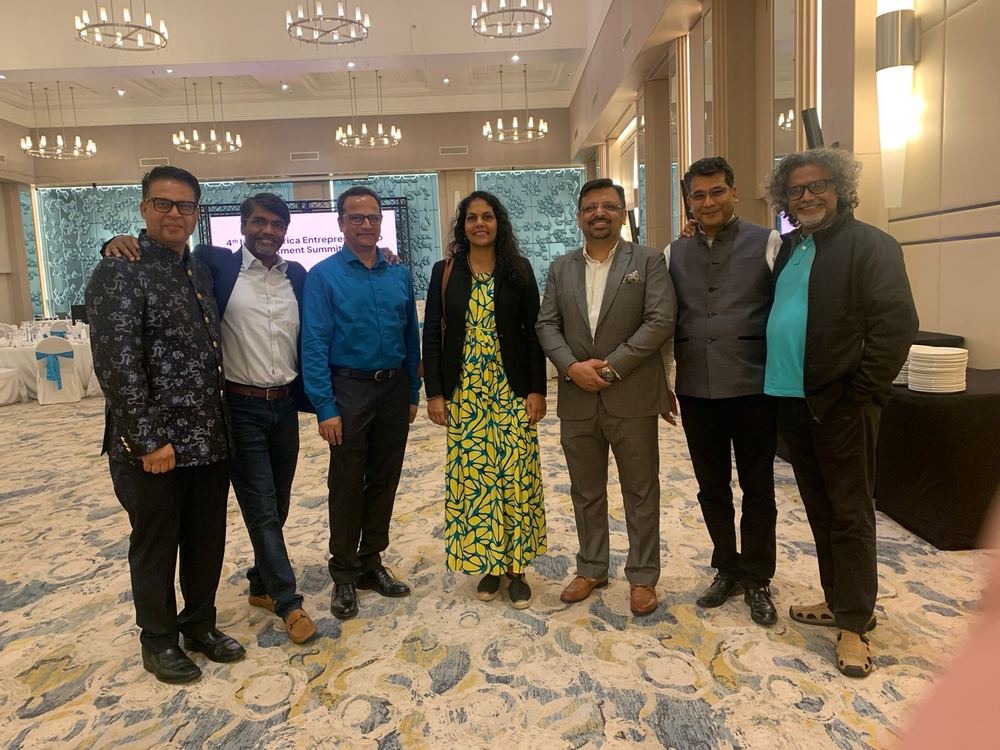
IAEF Summit Delegates
Plenary Session · Cape Town
Panel Session
Panel Session

IAHCC Workshop  |  Harare  |  Oct 30, 2026

Register for the Workshop

Harare IAHCC Design Thinking Workshop  ·  Zimbabwe India-Africa Tech & Entrepreneurship Summit

Date

Oct 30, 2026

Time

8:30 – 11:30 AM

Venue

Harare, Zimbabwe

Participating stakeholders will be assigned to a pathway panel based on their profile, interests and the value they can bring to the panel discussion. You can choose your preferred pathway during registration:

  • Pathway 1: Foundational Talent Readiness (STEAM, 4Cs and AI)
  • Pathway 2: Transnational Education and Skills Mobility
  • Pathway 3: Frontier Research and Innovation
  • Pathway 4: Fostering Entrepreneurship
  • Pathway 5: Digital Public Infrastructure (DPI) for Human Capacity Building
Register Now

Important Contacts

Primary Contact · Event Lead

R. Sreenivasan

[email protected]

Convener

Baljinder Sharma

[email protected]

Africa

Emmanuel Okorwoit

[email protected]

About IAHCC

For more details of IAHCC kindly visit the Human Capacity Corridor launch page.

HCC Launch Page

Join Us in Harare

Oct 30, 2026  ·  8:30 – 11:30 AM  ·  Harare IAHCC Design Thinking Workshop