
Sep 24, 2024
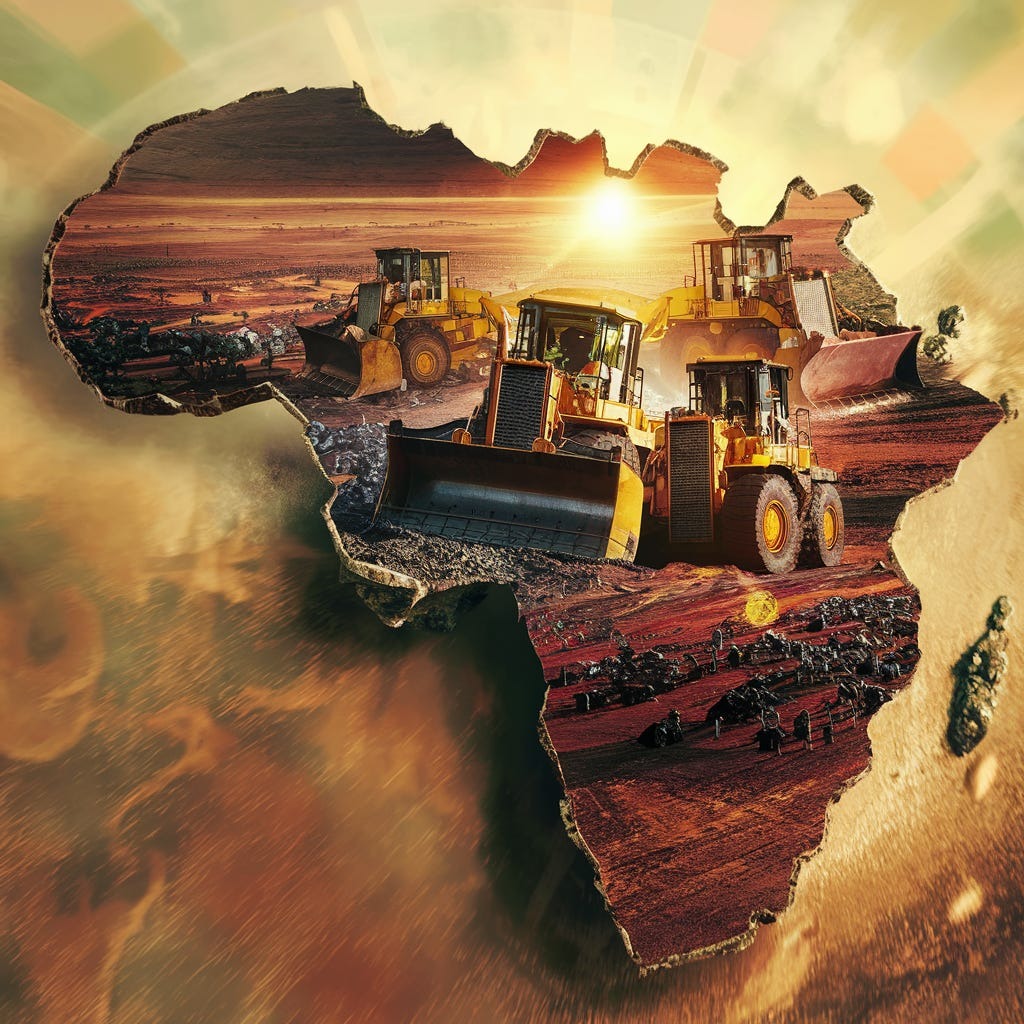
India’s Need for Critical Minerals
As the world transitions towards clean energy, the demand for critical minerals—such as lithium, cobalt, and rare earth elements—has surged. These minerals are vital for producing electric vehicles (EVs), batteries, solar panels, and wind turbines, which are essential for a sustainable energy system.
India’s ambitious goals of achieving net-zero emissions by 2070, combined with its commitment to sustainable energy development, therefore, depends on its ability to access critical input minerals.
A prime example is the government’s FAME (Faster Adoption and Manufacturing of Hybrid and Electric Vehicles) initiative, promoting widespread EV adoption driving a growing need for lithium, nickel, and cobalt. India’s EV market alone is projected to reach $47 billion by 2027.
Domestic Resources and Government Initiatives
Although India is not yet a major producer of critical minerals, the country is making strides in developing its domestic resources. The 2019 National Mineral Policy emphasizes reducing import dependency by exploring domestic reserves in regions like Karnataka, where promising lithium deposits have been found.
India is also advancing policies to promote sustainable mining and critical mineral recycling. By focusing on recycling lithium-ion batteries and e-waste, India seeks to build a circular economy for critical materials, using resources efficiently and reducing environmental impacts. This approach, combining domestic exploration and recycling, is crucial to India’s strategy, while international collaboration remains essential to meet future demands.
Collaborative Global Partnerships
Part of the strategy includes forging global partnerships to secure reliable supplies of critical minerals while also strengthening shared economic growth.
Africa forms a crucial part of India’s critical minerals strategy. Africa’s vast reserves of cobalt and lithium present a significant opportunity for collaboration. Through joint investments in value-added processing and sustainable mining practices, both regions can work together to build resilient, responsible supply chains that meet the growing global demand for clean energy technologies.
Sustainability and Knowledge Sharing
By investing in recycling technologies and promoting responsible mining practices, India is not only securing its future supply but also contributing to global efforts to manage resources more sustainably. The development of a circular economy for critical minerals—where materials like lithium from used batteries are recycled—offers a promising solution to current supply chain challenges.
Furthermore, India’s participation in the Quad Critical Minerals Partnership alongside the United States, Japan, and Australia is an effort to build a resilient global supply chain. By focusing on collective research, development, and mineral processing, India is working to diversify supply sources and reduce reliance on dominant suppliers, positioning itself as a global leader in the critical minerals sector.
Unlocking Africa’s Critical Minerals: Paving the Path to Sustainable Prosperity
Africa is a treasure trove of critical minerals, holding 30% of the world’s known mineral reserves, many of which are indispensable for renewable and low-carbon technologies.
As global demand for these technologies accelerates, Africa’s resources have become increasingly significant. For instance, the Democratic Republic of Congo (DRC) produces over 70% of the world’s cobalt, a key material in lithium-ion batteries that power EVs and energy storage systems. Similarly, South Africa holds 90% of the world's platinum group metal (PGM) reserves, essential for hydrogen fuel cells, a technology critical to the global decarbonization effort.
Lithium, another critical mineral, is found in significant quantities in Zimbabwe and Mali, where production must increase nearly 500% by 2050 to meet global demand for batteries.
Mozambique and Madagascar are emerging as top producers of graphite, with their combined reserves accounting for over one-fifth of the global total. The rising demand for these minerals places Africa at the heart of the global green energy transition, making it an essential partner for countries looking to secure supply chains for renewable technologies.
Africa's economic potential in the critical minerals sector is immense. The mining industry can drive substantial revenue growth, create millions of jobs, and build infrastructure across the continent.
Historically, the export of raw minerals has provided limited value for Africa, as much of the processing has been done overseas. For instance, Zambia, a major copper producer, exports much of its copper in unrefined form. To maximize the benefits, African countries are increasingly focusing on local beneficiation, a process that adds value to raw materials before they are exported. South Africa has invested heavily in refining its platinum locally, enabling it to capture more value from its mineral wealth while creating skilled jobs and promoting industrial growth.
Strategic partnerships are key to unlocking the full potential of Africa’s mineral wealth. The African Union’s Africa Mining Vision, launched in 2009, underscores the importance of sustainable development, local beneficiation, and regional cooperation.
Africa is diversifying its partnerships to reduce reliance on dominant players like China, which has long controlled much of the continent’s mineral supply chain. Other countries, including India, are now strengthening ties with Africa to secure these resources for their renewable energy industries. India, for instance, is partnering with nations like the DRC to develop more resilient, sustainable supply chains for critical minerals.
While the opportunities are substantial, the critical minerals sector also faces several challenges. Environmental degradation from mining activities, illegal mining operations, and geopolitical instability in some regions are long-standing issues. However, technological advancements and stricter regulations are gradually improving the sustainability and transparency of mining operations. Additionally, the African Continental Free Trade Area (AfCFTA), which was launched in 2021, offers a promising framework for boosting intra-African trade in minerals and enhancing regional cooperation.
Africa’s vast reserves of critical minerals not only position the continent as a key player in the global transition to green energy but also offer a significant opportunity for economic transformation. By focusing on local beneficiation, forming international partnerships, and adopting sustainable practices, African nations can fully unlock the value of their mineral wealth. With robust governance and the right strategies, Africa can become a leader in the global supply of critical minerals, supporting the world’s transition to a low-carbon future while fostering its economic growth.
Get to Know the Regions:
- Côte d'Ivoire
Côte d'Ivoire also known as Ivory Coast is located in West Africa and is known for its vibrant culture and significant economic potential. Renowned for its leading role in global cocoa production, the country also boasts of its vibrant music, colorful festivals, and stunning landscapes, including Comoé National Park and the scenic beaches of San Pedro.
Its economic capital and largest city is the port city of Abidjan, widely regarded as a hub of growth and innovation. Significant investments in infrastructure, such as the expansion of Abidjan Port and improvements to transport networks, are driving economic advancement. Recent reforms have enhanced the business climate, creating promising opportunities in sustainable agriculture, renewable energy, and a thriving tech scene in Abidjan.
- Andhra Pradesh
Andhra Pradesh is a state located in southeastern India, renowned for its rich cultural heritage and economic dynamism. Andhra Pradesh is famous for its historic temples, including the Tirumala Venkateswara Temple, and vibrant festivals such as Ugadi, thus offering a blend of tradition and modernity.
The economy is diverse, with strong sectors in information technology, agriculture, and manufacturing. Visakhapatnam, the state's economic capital, is a major port and industrial hub. Andhra Pradesh also benefits from its strategic coastline along the Bay of Bengal, enhancing its trade and logistics.
The state is investing in infrastructure development, including new ports and industrial zones, and is fostering growth in technology and agriculture. With its stable political environment and dynamic economic landscape, Andhra Pradesh is an important player in India's growth story.
Opportunity Highlights
- 2024 Africa Critical Minerals Summit in Cape Town
Discover the latest investment opportunities in Africa’s critical minerals at the Critical Minerals Africa Summit in Cape Town on November 6-7, 2024. This summit will convene key leaders from across governments, finance, and industries to explore how Africa can lead in the global energy transition through sustainable mineral value chains. It's an essential event for investors, industry experts, and policymakers looking to build partnerships and drive innovation in the sector. Register to secure your spot at this transformative event. Know more here.
- Applications are now open for SAIS Investment Readiness Programme (IRP)
Are you leading a startup making a positive impact on agriculture, food & nutrition, livestock, or climate in Africa? 🌍 Apply now for the SAIS Investment Readiness Programme 2025! This one-year program, managed by GIZ, offers tailored coaching, technical assistance, and peer-to-peer learning with crucial fundraising support and exposure to investors, helping startups scale their solutions and enhance their impact. Apply here.
Business Spotlight
- Shumba Energy: Shumba Energy is a Botswana-based energy development company focused on creating sustainable energy solutions for Southern Africa. Specializing in coal production and renewable energy, Shumba Energy aims to address the region’s energy challenges by delivering reliable, affordable energy. Their diversified portfolio includes coal mining projects and plans for solar energy generation, supporting the transition to cleaner power sources.
- Hindustan Zinc Limited: Hindustan Zinc is one of the world’s largest integrated producers of zinc, lead, and silver. Based in India, the company is part of the Vedanta Group and focuses on sustainable mining operations. They emphasize eco-friendly technologies to extract and process zinc and other base metals, contributing to critical sectors like infrastructure and energy storage. They are committed to reducing its environmental footprint including initiatives in water conservation, energy efficiency, and waste management, making them a leader in responsible mining.
Did you know?
- Did you know India is the fourth largest automotive manufacturer in the world, producing over 12.5 million vehicles annually?
- Did you know that Democratic Republic of Congo is the largest global supplier of cobalt, providing ~70% of the world’s cobalt, while South Africa is the leading producer of platinum, accounting for ~75% of global platinum?
Don’t forget to:
- Share your story: Are you an entrepreneur with an important milestone or innovation to share? Reply to this newsletter, and we might feature your story in the newsletter or on our social media.
- Spread the Word: Did you enjoy this newsletter and know others who would too? Forward this issue via email or share it on social media. If you've been forwarded this newsletter, subscribe here.